
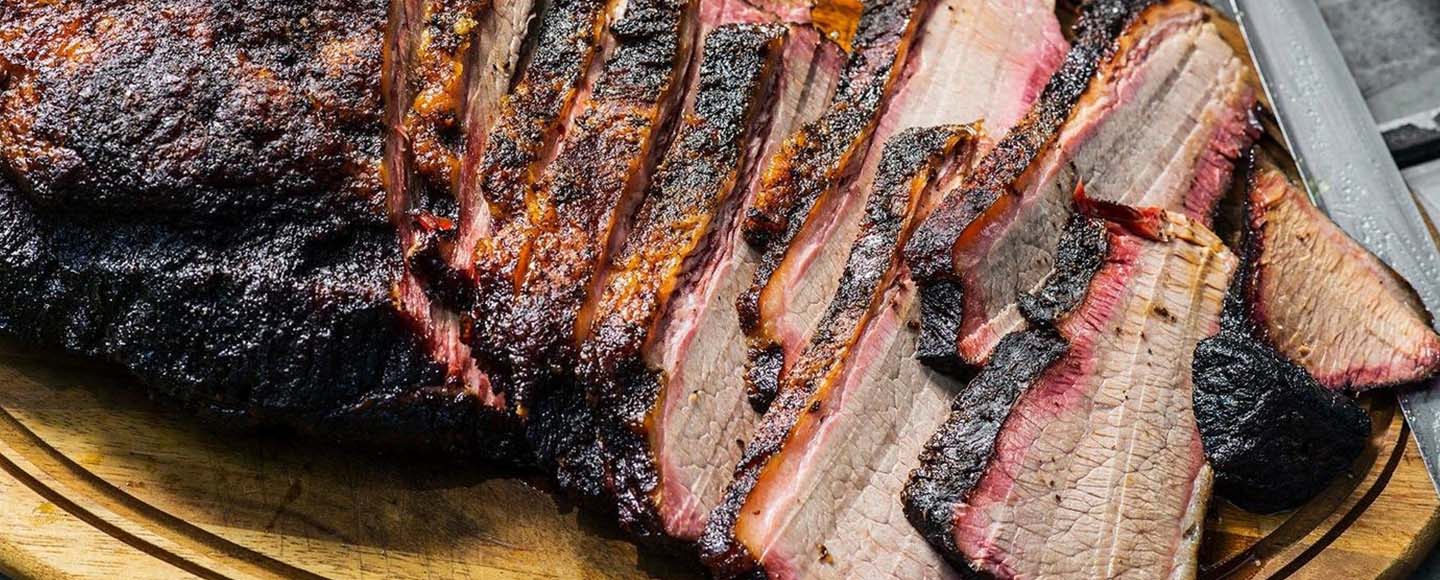
How to Use Wood Chips in an Electric Smoker
If you just picked up an electric smoker and you’re staring at that little chip tray wondering what to do next — you’re in the right place.
I’ve been smoking meat in my backyard for over 10 years, and I still remember the first time I fired up my electric smoker and ended up with food that tasted more like ash than apple wood. It wasn’t pretty. But it taught me a lot.
The truth is, using wood chips in an electric smoker isn’t complicated once you understand a few key things. In this guide, I’m going to walk you through the whole process — step by step — so you can start putting out clean, flavorful smoke from your very first session.
Whether you’re smoking a whole brisket over the weekend or just trying to get some decent smoke on chicken thighs for a weeknight dinner, these fundamentals will serve you for years.
- What Are Wood Chips & Why They Matter
- How to Use an Electric Smoker (Step by Step)
- Do You Have to Use Wood Chips?
- Using a Vertical Smoker with Wood Chips
- Should You Soak Wood Chips? (Myth Busted)
- Best Wood Chips for Different Meats
- How Often to Add Wood Chips
- Common Mistakes & How to Fix Them
- Recommended Products to Level Up
- Final Tips for Perfect Smoke Flavor
- Frequently Asked Questions
Get Andy’s Free Wood Chip Pairing Cheat Sheet
Stop guessing which wood goes with which meat. Download my printable 1-page cheat sheet showing the best wood pairings for beef, pork, poultry, and fish.
What Are Wood Chips and Why They Matter
Before we get into the how-to, let’s quickly cover the why. Wood chips are small pieces of hardwood — typically between a half inch and an inch in size — that you add to your smoker to generate smoke. That smoke is what gives smoked meat its distinctive flavor.
When wood burns (or more precisely, smolders) in your smoker, it releases hundreds of flavor compounds including guaiacol and syringol — the chemicals responsible for that classic smoky taste you’re chasing. Different wood species produce different concentrations of these compounds, which is why hickory smells and tastes completely different from apple wood.
Chips vs. Chunks vs. Pellets — What’s the Difference?
You’ll often see these three options at the hardware store or online:
- Wood chips: Small pieces, burn quickly, great for electric smokers. Best for shorter cooks (chicken, fish, ribs).
- Wood chunks: Larger pieces that burn slower and longer. More common in charcoal smokers or offset smokers. Can be used in electric smokers but usually too big for standard chip trays.
- Wood pellets: Compressed sawdust. Designed for pellet smokers, but can be used with external smoke generators in electric smokers.
For most electric smokers, chips are your go-to. They fit the tray, they ignite quickly, and they give you enough smoke for the critical early hours of your cook.
Why Electric Smokers Depend on Chips
Unlike charcoal smokers or offset smokers, electric smokers use a heating element to maintain temperature — not burning fuel. That means there’s no natural source of smoke. Without wood chips, you’re basically just cooking in a fancy oven.
The chips sit in a dedicated tray directly above the heating element. When the element heats up, it gets the chips hot enough to smolder and produce smoke. Simple, but effective — as long as you do it right.
How to Use an Electric Smoker with Wood Chips (Step by Step)
This is the core of what you need to know. Follow these five steps and you’ll be producing clean, flavorful smoke every time.
Step 1: Preheat Your Smoker to 225°F
Before you even think about adding wood chips or meat, you need to preheat. Set your electric smoker to 225°F and let it run for 20 to 30 minutes.
Here’s why this matters: when your chip tray is already hot, it’ll ignite the wood chips almost immediately when you add them. If you put chips into a cold smoker, they’ll just sit there until the element heats up — wasting valuable smoke time during the most important phase of the cook.
Preheating also helps you dial in your temperature so you’re starting the cook stable, not chasing a moving target.
Step 2: Add Wood Chips to the Tray
Once your smoker has preheated, it’s time to add your chips. For most electric smokers, a good starting amount is 1/2 to 1 cup of chips — roughly a small handful.
Do not overload the tray. This is one of the most common beginner mistakes, and I’ve made it myself. Too many chips at once creates thick, heavy white smoke, which produces a bitter, acrid flavor that coats the meat in a way that ruins the cook. You want thin blue smoke — more on that in the next step.
If your smoker has a dedicated chip loader tube on the side, load it from the outside so you don’t have to open the door and lose heat.
Step 3: Wait for Clean Smoke (Thin Blue Smoke)
This step trips up a lot of beginners. Once you add your chips, wait a few minutes before adding your meat.
Watch the smoke coming out of your smoker vent:
- Thin blue smoke (almost invisible at a distance): This is what you want. It’s clean, it’s flavorful, and it’s exactly what great BBQ joints chase.
- Thick white or gray smoke: This usually means the chips are burning too fast, you added too many, or the temperature spiked. Wait it out or reduce the chip quantity.
- Black smoke: Stop. Something is wrong — you may have a flare-up, or old grease is burning off. Address it before adding meat.
Patience here pays off. Five extra minutes waiting for clean smoke is worth it every single time.
Step 4: Add Your Meat
Now you’re ready for the main event. Place your meat in the smoker and close the door firmly. Try to position thicker cuts near the top, away from the direct heat of the element at the bottom.
Make sure your meat has been out of the fridge for 20 to 30 minutes before going in. You want a slight chill to it — not ice cold — but you also don’t want a fully room-temperature surface, because:
Step 5: Maintain Smoke by Refilling Chips
Electric smokers will burn through a tray of chips every 30 to 60 minutes, depending on your temperature and chip size. Plan to check and refill as needed during the first 2 to 3 hours of your cook.
After the 2 to 3-hour mark, the meat’s bark (that flavorful outer crust) has formed and started to set. Once the bark is established, it actually slows down how much additional smoke the meat can absorb. At this point, you can stop adding chips and just let the heat do its job.
Do You Have to Use Wood Chips in an Electric Smoker?
The short answer: No, you don’t have to — but you absolutely should if you want actual smoked food.
Here’s the honest breakdown:
- Without wood chips, an electric smoker is essentially a convection oven. Your food will still cook thoroughly and safely, but it won’t have any smoke flavor.
- With wood chips, you get the aromatic smoke compounds that penetrate the surface of the meat, creating that characteristic color, bark, and depth of flavor that makes smoked BBQ so good.
Think of it this way — if someone served you a piece of smoked brisket that had been cooked in a regular oven, you’d probably enjoy it. But the moment you tasted real smoked brisket, you’d immediately know the difference. The smoke isn’t a nice-to-have; it’s the whole point.
When Should You Stop Adding Chips?
For most cuts of meat, stop adding wood chips after 2 to 3 hours. Here’s why:
- Meat can only absorb a limited amount of smoke. Most of the uptake happens in the early stages of the cook, before the surface dries out and hardens.
- Over-smoking creates a bitter, medicinal taste. It’s one of the most common reasons backyard BBQ doesn’t taste as good as competition BBQ.
- After the bark forms, the outer layer of the meat acts as a barrier — smoke doesn’t really penetrate much further.
For long cooks like a 12-hour brisket or 8-hour pork shoulder, resist the urge to keep adding chips throughout. Add consistently for the first 2 to 3 hours, then let the heat finish the job.
How to Use a Vertical Smoker with Wood Chips
If you’re running a vertical charcoal smoker (like a Weber Smokey Mountain or a generic barrel-style smoker), the process is slightly different from electric but follows the same core principles.
Most vertical smokers have a charcoal chamber at the bottom and either a built-in water pan or a dedicated spot for wood chips or chunks. Here’s how to do it:
- Light your charcoal using a chimney starter and let it ash over fully before adding it to the firebox. Never smoke over lighter fluid-soaked charcoal — you’ll taste it.
- Add wood chips directly on top of the hot charcoal, or place them in a foil pouch with holes poked in it if you want slower, more controlled release.
- Control your temperature with the air vents — bottom vent controls the oxygen supply (more open = higher temp), top vent controls airflow and smoke density. This is where vertical smokers require a bit more hands-on attention than electrics.
- Refuel as needed — typically every 60 to 90 minutes for charcoal, and every 30 to 45 minutes for wood chips or chunks.
Vertical smokers have a steeper learning curve than electric models, mainly because you’re manually managing the fire. But once you’ve got the airflow dialed in, they produce exceptional smoke flavor that rivals much more expensive rigs.
Should You Soak Wood Chips? (Myth Busted for 2025)
This question comes up constantly, and I want to give you a straight answer: No, you should not soak your wood chips.
For years, the conventional advice was to soak chips in water for 30 minutes to an hour before adding them. The idea was that this would make them smolder longer rather than catching fire. Sounds logical. But here’s what actually happens:
- Wet chips produce steam first, which delays the smoke production and can temporarily drop your smoker temperature.
- The steam mixes with the smoke, creating a heavier, dirtier smoke — more white than blue.
- The actual smoking time difference is minimal. Once the water evaporates, the chips burn just like dry ones.
Every pitmaster I know — and every major BBQ resource published in the last decade — agrees: dry chips produce better results. Here’s a quick comparison:
| Factor | Soaked Chips | Dry Chips |
| Smoke start | Delayed — steam first | Immediate ignition |
| Smoke quality | Inconsistent, often white/thick | Clean, thin blue smoke |
| Burn consistency | Unpredictable | Steady and predictable |
| Flavor impact | Weaker — steam dilutes flavor | Fuller, cleaner smoke flavor |
| Recommended? | No | Yes |
Bottom line: skip the soak. Use dry chips, manage your quantity, and focus on keeping that smoke thin and blue.
Best Wood Chips for Different Meats
Choosing the right wood for your meat isn’t complicated, but it makes a big difference. The general rule is: bold meats can handle bold smoke, and delicate meats need lighter smoke.
| Meat | Best Wood Chips | Flavor Profile |
| Beef (Brisket, Ribs) | Hickory, Oak | Bold, strong, earthy |
| Pork (Butt, Ribs) | Apple, Cherry | Sweet, mild, fruity |
| Chicken / Poultry | Apple, Pecan | Light, slightly sweet |
| Fish / Seafood | Alder, Apple | Delicate, subtle |
| Lamb | Hickory, Cherry | Rich, slightly sweet |
| Vegetables | Pecan, Apple | Mild, nutty |
A few extra notes from my experience:
- Hickory is the most popular all-around wood in the US. It’s bold, it’s classic, and it works on almost everything. Just don’t overdo it — too much hickory gets bitter fast.
- Apple wood is my personal go-to for pork. It’s forgiving, mild, and produces a beautiful reddish-pink color on the bark.
- Cherry is underrated. Mixed with hickory on beef ribs, it creates a gorgeous dark bark with a hint of sweetness.
- Alder is the traditional wood for salmon in the Pacific Northwest. Don’t sleep on it for any type of fish.
How Often to Add Wood Chips to Your Smoker
Here’s a simple framework that works for most electric smokers and most types of meat:
- First 2 to 3 hours: Refill chips every 30 to 60 minutes. This is the critical smoke absorption window.
- After bark forms: Stop adding chips. The smoke job is done. Let the heat finish the cook.
- Total chips used per cook: For a 6-hour pork shoulder, you might use 3 to 4 trays worth of chips. For a quick chicken cook, 1 to 2 trays is plenty.
Every smoker is slightly different. Pay attention to your vent output — if you stop seeing any smoke and the chips look fully ashed, it’s time to refill. If smoke is still flowing, give it another 15 minutes.
Common Mistakes When Using Wood Chips (And How to Fix Them)
Let me save you some ruined cooks by running through the mistakes I see most often — many of which I’ve made myself.
- Overloading the Chip Tray: More chips does not mean more smoke flavor. It means more thick, bitter smoke that deposits creosote on your meat. Stick to 1/2 to 1 cup at a time and replenish as needed.
- Skipping the Preheat: Adding meat to a cold smoker causes uneven cooking and delayed smoke production. Always preheat for at least 20 minutes before loading the chamber.
- Opening the Door Too Often: Every time you open that door, you lose heat and smoke. A 10-second peek can drop your smoker temperature by 25 to 50 degrees and add 15 to 30 minutes to your cook. Trust the process and keep that door shut.
- Chasing Thick White Smoke: Beginners often think thick white smoke means the smoker is working harder. It doesn’t. White or gray smoke is a sign of incomplete combustion and will make your food taste bitter and acrid. You want thin blue smoke — so light you can barely see it.
- Trusting the Built-In Thermometer: The dial thermometers on most electric smokers are notoriously inaccurate — sometimes off by 30 to 50 degrees. Always verify with a reliable probe thermometer. Your meat’s internal temperature is the only number that really matters.
- Over-Smoking the Meat: This is probably the most common reason home-smoked BBQ doesn’t taste as good as restaurant BBQ. Adding chips for 8 hours straight on a brisket creates a bitter outer layer. Two to three hours is enough for most cuts. Let the meat breathe after that.
Recommended Products to Level Up Your Smoking Game
Here are the accessories that have genuinely made a difference in my smoking setups over the years. No fluff — just the stuff that actually earns its place.
Western Premium Variety Pack
Hickory, apple, cherry, and mesquite in one affordable bundle.
A-MAZE-N Pellet Tray
Up to 12 hours of continuous smoke without refilling.
1. Wood Chip Variety Packs
Before you spend money on a huge bag of one type of wood, try a variety pack. You’ll quickly discover which flavors work best for the proteins you cook most often.
Best for: Anyone who is just getting started or expanding their wood chip repertoire.
2. A-MAZE-N Pellet Smoker Tray
This is probably the single biggest upgrade I’d recommend for electric smoker users. The A-MAZE-N tray sits inside your smoker and burns wood pellets independently of the heating element.
That means you get 6 to 12 hours of continuous, consistent smoke without touching the smoker at all. No refilling every 30 minutes. No smoke gaps during heating element off-cycles.
It completely changed how I use my electric smoker. Instead of babysitting the chip tray, I load the pellet tray, light both ends, and let it run the whole cook.
Best for: Anyone doing long cooks (brisket, pork shoulder, whole turkey) or anyone frustrated by inconsistent smoke output from their electric smoker.
3. Digital Meat Thermometers
If there’s one thing I’d tell every new smoker owner, it’s this: stop relying on the built-in thermometer. They’re almost always wrong. A good digital probe thermometer is essential — not optional.
Best for: Everyone, no exceptions. Food safety alone is reason enough, but perfect doneness is the real win.
4. Cleaning & Maintenance Tools
A clean smoker is a well-functioning smoker. Grease buildup blocks airflow and can cause temperature spikes. Dirty glass doors mean you can’t monitor your smoke without opening the door.
What you actually need:
- A quality citrus degreaser for the interior walls and chip tray area after every few cooks.
- A grill brush or scraper for the grates.
- Glass cleaner (or oven-safe spray) for the door window — being able to see inside without opening is a genuine game-changer for monitoring smoke color.
I clean my smoker every two to three cooks. It takes 20 minutes, and it keeps everything running at its best. Check out our full electric smoker cleaning guide for the step-by-step process.
Join the BarbecueMen Newsletter
Get weekly smoker tips, exclusive recipes, and gear reviews delivered straight to your inbox. No spam, just BBQ.
Final Tips for Perfect Smoke Flavor Every Time
After years of experimenting, here’s what I keep coming back to:
- Use less wood than you think you need. You can always add more, but you can’t take back bitter smoke.
- Chase thin blue smoke, not thick white smoke. Visual feedback is your best real-time indicator.
- Keep the door closed. Discipline here saves time and improves results every single cook.
- Control temperature, not flames. Set it, monitor it with a real thermometer, and trust the process.
- Write down what works. After every successful cook, note your wood type, chip quantity, temp, and timing. Over time you’ll build a personal reference that’s better than any guide.
The best smoked meat you’ll ever eat is usually the result of simple fundamentals executed consistently — not secret ingredients or expensive equipment. Learn the basics well, and everything else becomes easier.
Frequently Asked Questions
Do you have to use wood chips in an electric smoker?
No — your food will cook fine without them. But without chips, there’s no smoke, and without smoke, it’s just an oven. For actual smoked food, chips are essential.
How often should I add wood chips to my electric smoker?
Refill every 30 to 60 minutes during the first 2 to 3 hours of the cook. After the bark forms, you can stop adding chips entirely.
Should I soak wood chips before smoking?
No. Modern BBQ consensus is firmly against soaking. Wet chips produce steam and inconsistent smoke. Dry chips ignite faster and produce cleaner, more flavorful smoke.
Why are my wood chips not smoking?
Most likely cause: the heating element cycled off and the tray cooled down. Try bumping the temperature up by 5 to 10 degrees temporarily to reignite. If it’s a consistent issue, use an external smoke generator like the A-MAZE-N tray.
Can I reuse wood chips after smoking?
Technically, partially burned chips can be reused if they haven’t fully ashed over. But in practice, the smoke output from used chips is weak and inconsistent. Fresh chips are cheap enough that it’s rarely worth it. Start fresh each cook.
Ready to Start Smoking?
Mastering wood chips in an electric smoker really comes down to four things: preheat properly, don’t overload, chase thin blue smoke, and stop adding chips once the bark sets. Do those four things consistently and you’ll be miles ahead of most backyard pitmasters.
Start simple. Pick one wood type, smoke one familiar protein, and focus on the process over perfection. Once you’ve nailed a basic smoked chicken or rack of ribs, you’ll have the confidence and knowledge to tackle bigger cooks.
And when you’re ready to step up your setup — whether that’s a pellet tray for continuous smoke, a wireless thermometer to stop hovering, or a proper wood chip variety pack to start experimenting with flavors — the accessories section above covers everything worth investing in.
Good luck, and go make something delicious.
Upgrade Your Smoking Game Today
Grab the A-MAZE-N Pellet Smoker Tray and get 12 hours of clean, continuous blue smoke on your very next cook.