
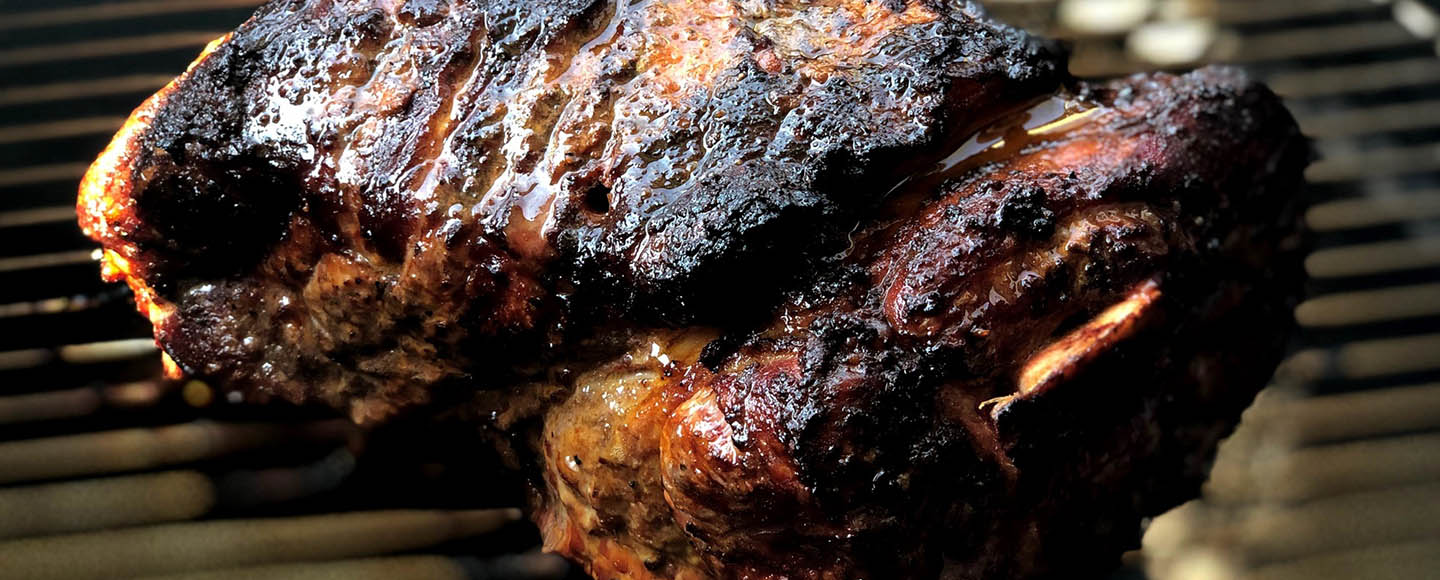
17 Electric Smoker Tips for Competition-Worthy BBQ
Let me guess — you bought an electric smoker, fired it up with high hopes, and ended up with meat that tasted… fine. Not bad, but not the smoky, juicy BBQ you were dreaming of. You’re probably wondering why there’s barely any smoke, why the bark won’t set, or why your ribs came out dry.
I’ve been smoking meat for over 10 years, and I’ve made every single one of those mistakes. The good news? Every one of those problems is fixable. These 17 tips will get you there fast — whether you’re firing up your first smoke or trying to take your results to the next level.
Let’s fix your BBQ.
Get Our Free Temperature Cheat Sheet
Never overcook a brisket or dry out a pork shoulder again. Download our complete internal temperature guide for all your favorite BBQ meats.
Electric Smoker Basics (Start Here)
How an Electric Smoker Works
An electric smoker uses a heating element (basically a glorified hot plate) to heat wood chips and maintain a consistent temperature inside the chamber. A built-in thermostat cycles the element on and off to hold your target temp.
The big difference from charcoal or offset smokers? Electric smokers produce significantly less smoke. That’s just the nature of the beast. The heating element doesn’t burn fuel — it just gets hot and chars the wood chips sitting next to it. You get flavor, but it’s lighter and more subtle.
That’s not a flaw once you know how to work with it (and around it). That’s what tips 5, 6, and 12 are all about. If you’re still on the fence about which type to buy, check out our breakdown on charcoal vs electric smokers or the pros and cons of electric smokers.
First-Time Setup Tips
Before you cook a single thing, do these three things:
- Pre-season your smoker. Run it empty at 275°F for 2–3 hours with a handful of wood chips. This burns off any manufacturing residue and starts building up a protective layer inside the chamber.
- Run an empty cycle. Let it go through a full heat cycle so you know how it behaves. Does it overshoot the target temp? Struggle to hold it? Good to know before your brisket is on the line.
- Check temperature accuracy. Stick an independent probe thermometer inside and compare it to the built-in dial. You might be surprised — and this leads nicely into Tip #1.
Electric Smoker Tips for Beginners
Tip 1: Don’t Trust the Built-In Thermometer
Here’s the truth: the thermometer that came with your smoker is probably lying to you. Most built-in probes are positioned poorly — often near the heating element or the door — and can be off by 25–50°F from the actual cooking zone where your meat sits.
If you only make one upgrade, make it this one. Get a dual-probe thermometer so you can monitor both the smoker’s ambient temperature AND your meat’s internal temperature simultaneously. It completely changes your cook. For a deeper dive, browse our list of the best smoker thermometers on the market.
ThermoWorks Signals
The ThermoWorks Signals is my top pick for serious backyard cooks — four probes, Bluetooth + WiFi, and rock-solid accuracy. If you want wireless and leave-in convenience, the MEATER 2 Plus is also excellent. Either one will immediately improve your results.
Tip 2: Use the Right Wood Chips
Not all wood is created equal, and the wood you choose has a massive impact on flavor. Here’s a quick guide:
- Hickory — Strong, classic BBQ smoke. Great for pork shoulders, ribs, and beef. Can be overpowering on delicate meats.
- Apple — Mild, slightly sweet. Perfect for poultry, pork, and fish. Beginner-friendly.
- Cherry — Sweet and fruity with a beautiful color payoff on the bark. Fantastic with pork and poultry.
- Mesquite — Very bold and earthy. Best for beef. Use sparingly — a little goes a long way.
- Pecan — Mild and nutty, a good middle ground. Works on almost everything.
When in doubt, apple or cherry are your safest bets. They’re forgiving and crowd-pleasers. To expand your flavor profile, read our ultimate guide to the best wood for smoking.
Tip 4: Start Low and Slow
The magic zone for most electric smoking is 225–250°F. This gives the fat and connective tissue time to break down properly, results in tender meat, and gives the smoke enough time to penetrate.
Higher temps speed things up but sacrifice tenderness and smoke absorption. Lower temps drag out the cook unnecessarily. Stick to 225–250°F and you’ll rarely go wrong. Need more baseline advice? Check out our massive list of BBQ tips and tricks.
Best Electric Smoker Tips and Tricks (Game-Changers)
Tip 5: Add a Water Pan for Moisture
Electric smokers run dry by default. Without some humidity in that cooking chamber, you’ll end up with dry, tough meat — especially on long cooks like brisket or pork shoulder.
The fix is simple: place a pan of water on the lowest rack, directly above the heating element. It creates steam that keeps the environment humid and helps the smoke stick to the meat’s surface. Some people even add apple juice or beer to the pan for extra flavor layering.
Tip 6: Use a Pellet Tube for Real Smoke Flavor
This is the single biggest game-changer for electric smoker owners. Here’s the problem: the small wood chip tray in most electric smokers burns through chips quickly, produces inconsistent smoke, and simply can’t generate the volume of smoke that an offset or charcoal smoker does.
A pellet tube smoker fixes all of that. You fill it with BBQ wood pellets, light one end with a torch, and let it smolder for 2–5 hours of steady, thin blue smoke. You can set it right alongside your meat in the chamber. It’s the easiest way to get offset smoker results from an electric unit.
A-MAZE-N Pellet Tube Smoker
This is the product I recommend more than anything else to electric smoker owners. It’s inexpensive, dead simple to use, and it genuinely transforms the smoke flavor you can achieve. You’ll never want to smoke without one again.
Tip 7: Don’t Overload Wood Chips
More chips does not equal more flavor. Overfilling the chip tray causes incomplete combustion, which produces thick, acrid, white smoke. That white smoke deposits bitter creosote on your meat — the exact opposite of what you want.
Tip 8: Rotate Your Meat
Electric smokers have hot spots — areas closer to the heating element that run hotter than others. If you’re cooking a full rack of ribs or several pieces of chicken, the stuff nearest the element will cook faster.
About halfway through your cook, rotate your meat — flip racks end for end, swap positions between levels. It’s a small step that makes a real difference in even cooking.
Tip 9: Manage Vent Airflow Properly
Smoke needs oxygen to burn clean. Closing your vents completely traps stale smoke in the chamber, which turns bitter. Keep the top vent at least partially open during the smoke phase to allow airflow and fresh smoke production.
A good rule of thumb: start with the vent about halfway open. If you’re getting too much smoke, open it more. If your temp is dropping and you need to hold heat, close it a little. It’s a balancing act, but you’ll get a feel for it.
The solution: insulate your smoker. A welding blanket (yes, really) wrapped around the outside of the smoker works remarkably well. You can also buy purpose-made insulating blankets for popular smoker models. Combine that with:
- Positioning your smoker against a wall or fence to block wind
- Preheating longer than usual before loading meat
- Adding 10–15°F to your target temp to compensate for heat loss
In sub-freezing temps, this can literally be the difference between a successful cook and a four-hour battle to hold 200°F.
Tip 11: Calibrate Your App vs. Reality (2026 Update)
WiFi and Bluetooth electric smokers are everywhere now — and they’re genuinely convenient. But here’s something most people discover the hard way: the temperature your app shows is not always the temperature inside your smoker.
App temps typically come from the built-in sensor, which has all the same accuracy problems we discussed in Tip 1. Your app might say 250°F while an external probe reads 225°F. Over a 12-hour brisket cook, that discrepancy matters.
The fix: run your external thermometer alongside the app for a few cooks. Once you know the offset, you can adjust your app target accordingly. For example, if your app consistently runs 15°F hot, set it to 265°F when you want to cook at 250°F.
Electric Smoker Rib Tips (Perfect Ribs Every Time)
The 3-2-1 Method Explained
If you’re new to smoking ribs, the 3-2-1 method is your best friend. Here’s how it works:
- 3 hours — Smoke unwrapped at 225°F. This is where the smoke flavor builds and the bark starts forming.
- 2 hours — Wrap tightly in foil with a splash of apple juice or butter. This braises the ribs and makes them incredibly tender.
- 1 hour — Unwrap and smoke again to set the bark and glaze on your sauce.
Total cook time: 6 hours at 225°F. It’s not a rigid rule — some racks go a bit faster or slower depending on size — but it’s a reliable framework that produces consistently great results. Looking for more ideas? Try some of these best meats to smoke.
How to Get Better Bark in an Electric Smoker
This is where electric smokers frustrate a lot of people. Bark (that dark, crusty, flavorful exterior) forms through a process called the Maillard reaction. It needs dry heat and time. The problem? Electric smokers run with high humidity, which keeps the surface of the meat wet and prevents bark from setting properly.
Here’s the fix:
- In the last 1–2 hours of your cook, open the vent fully to let moisture escape
- Remove the water pan in the final stretch
- Consider an oven or grill finish (see Tip 13) to really drive bark formation
This is one of those tips that makes a huge difference once you know it. Don’t skip it.
Advanced Electric Smoker Tips (Level Up)
Tip 12: Use a Separate Smoke Source
We covered pellet tubes in Tip 6, but let’s go deeper. Beyond the A-MAZE-N tube, you can also use:
- Smoker boxes — Small perforated metal boxes that hold wood chips or chunks and sit on your heating element
- Cold smoke generators — For things like cheese, salt, or fish that need flavor without heat
- Wood chunks instead of chips — Chunks burn slower and produce smoke for longer; some electric smoker models support these
The goal is always the same: more consistent, longer-lasting, cleaner smoke than the chip tray alone can deliver.
Tip 13: Finish Meat for Better Bark
Here’s a pro move that most home cooks don’t know about: after your smoke is done, throw your ribs or brisket under the broiler for 5–10 minutes, or hit them on a hot grill for a few minutes per side.
The high direct heat rapidly caramelizes the surface, sets the bark, and adds a layer of texture that’s nearly impossible to achieve in an electric smoker alone. You get the smoke penetration from the electric smoker plus the bark from the grill. Best of both worlds.
- Avoid opening the door unless absolutely necessary
- Preheat fully before loading — at least 20–30 minutes
- Insulate in cold weather (see Tip 10)
- Load cold meat carefully — putting a 10-pound brisket straight from the fridge into your smoker can drop the temp by 20–30°F
Pro tip: let large cuts sit out for 30–45 minutes before going in the smoker. Takes the chill off and reduces that initial temperature crash.
Tip 15: Cook by Internal Temperature, Not Time
Recipes say ‘5–6 hours for ribs.’ That’s useful as a rough guide, but the only reliable way to know when meat is done is internal temperature.
Every piece of meat is different. Time is a starting point. Temperature is the finish line. Get a good probe thermometer (there it is again — Tip 1) and cook to temp, not to the clock.
Electric Smoker Cleaning Tips (Most People Get Wrong)
How Often to Clean
There’s no one-size-fits-all answer here, but here’s the framework I use:
- Light clean after every cook — Wipe down the racks and empty the grease tray. Takes 10 minutes. Prevents buildup and flare-ups.
- Deep clean every 3–5 cooks — Scrub the racks, wipe down the interior walls, and clean the drip tray and water pan. (See our dedicated Masterbuilt smoker cleaning tips for model-specific advice).
The longer you leave grease to bake onto surfaces, the harder it gets to remove. Small, regular maintenance is a lot easier than a full-day cleaning session.
Step-by-Step Cleaning Process
- Remove racks and soak in warm, soapy water for 30 minutes
- Scrub racks with a grill brush or non-abrasive pad
- Empty and wipe the grease tray — use a disposable liner if you want an easier time
- Wipe down the interior walls with a damp cloth (mild soap is fine)
- Wipe the door seal and check it’s still creating a good seal
- Let everything dry completely before closing up
Only wipe away loose flakes and obvious grease drips. The patina is your friend.
Citrusafe BBQ Grill Cleaner & Drip Pan Liners
Citrusafe BBQ Grill Cleaner is genuinely safe for smoker interiors — no harsh chemicals that leave residue. And stock up on disposable drip pan liners. They’re cheap, they make cleanup trivially easy, and you’ll go through a lot of them. Easily one of the best repeat-purchase items for any smoker owner.
Common Electric Smoker Mistakes to Avoid
Most bad BBQ comes from the same handful of mistakes. Here’s what to stop doing:
- Overloading wood chips. Results in bitter, acrid white smoke. Less is more.
- Skipping the preheat. Loading meat into a cold smoker means uneven cooking from the start.
- Opening the door constantly. Every peek costs you 15–20 minutes of recovery time.
- Relying on the built-in thermometer. It’s probably wrong. Use an external probe.
- Expecting charcoal-level smoke. Electric smokers produce lighter smoke by design. Work with it using a pellet tube.
- Not resting your meat. Cutting into a brisket straight off the smoker is a sin. Rest it for at least 30–60 minutes, tented in foil, to let the juices redistribute.
Recommended Electric Smoker Gear
You don’t need to spend a fortune to get great results, but a few targeted investments make a real difference. Here’s what I recommend:
- Dual-probe thermometer (ThermoWorks Signals or MEATER 2 Plus) — The single most impactful upgrade you can make
- A-MAZE-N Pellet Tube Smoker — For real smoke flavor in an electric unit
- Wood chip variety pack — Apple, cherry, hickory, and pecan to start. Experiment and see what you like.
- Citrusafe BBQ cleaner — Safe, effective, and food-grade
- Disposable drip pan liners — Trust me, buy a box
- Welding blanket or insulating jacket — Essential if you live somewhere cold
If you’re thinking about upgrading your actual smoker, the Masterbuilt Gravity Series is worth a look for charcoal-level smoke with electric convenience. The Masterbuilt 710 WiFi is a solid step up for anyone who wants app connectivity done right. Check out our full reviews of the best Masterbuilt electric smokers to find the right fit.
Masterbuilt 710 WiFi Electric Smoker
If you’ve outgrown your entry-level unit and want something with serious capacity, rock-solid WiFi app integration, and better insulation, the Masterbuilt 710 WiFi is the natural step up. It takes a lot of the guesswork out of long smokes.
Electric Smoker Cheat Sheet
Quick reference guide for common smokes:
| Meat | Temp (°F) | Time (Est.) | Best Wood |
|---|---|---|---|
| Pork Ribs | 225–250°F | 5–6 hrs (3-2-1) | Apple / Cherry |
| Brisket | 225–250°F | 12–16 hrs | Hickory / Oak |
| Chicken | 275–300°F | 3–4 hrs | Apple / Pecan |
| Pork Shoulder | 225–250°F | 10–14 hrs | Hickory / Pecan |
| Salmon | 200–225°F | 1.5–2 hrs | Alder / Apple |
Note: Times are estimates. Always cook to internal temperature, not time.
FAQ
How do I get more smoke flavor in an electric smoker?
Two things: use a pellet tube smoker alongside your meat (see Tip 6), and make sure you’re not overloading your wood chip tray with too many chips at once. Thin blue smoke delivers better flavor than a billowing white cloud. For more on the basics, read our guide on how to use an electric smoker with wood chips.
Do you soak wood chips for an electric smoker?
No. Do not soak your wood chips. I see this advice everywhere and it’s wrong. Soaking chips just delays the smoke — the water has to evaporate before the chips can actually produce smoke. What you get is steam first, then smoke. The steam does nothing for flavor and can actually interfere with bark formation. Use dry chips.
What temperature should I use?
For most meats, 225–250°F is the sweet spot. The exception is chicken, which benefits from a slightly higher temp (275–300°F) to get the skin right. Lower temps produce more smoke absorption but take longer; higher temps speed things up but sacrifice some of that deep smoke flavor.
How long do ribs take in an electric smoker?
Using the 3-2-1 method: 5–6 hours total at 225°F. Smaller baby back ribs will lean toward the 5-hour end; larger spare ribs may go 6 hours or slightly more. Always check the internal temp (195–203°F) and do the bend test — the ribs should flex but not snap.
Are electric smokers good for beginners?
Absolutely — they’re the easiest entry point into BBQ smoking. You get precise, consistent temperature control without babysitting a firebox. The tradeoff is lighter smoke flavor, which you can address with a pellet tube. For someone just getting started, an electric smoker is a great way to learn the fundamentals. Check out our guide to the best smokers for beginners to see all your options.
Final Thoughts
Electric smokers get a bad reputation in some BBQ circles, but most of that is just snobbery. With the right techniques, you absolutely can produce competition-quality BBQ from an electric unit. The key is understanding what your smoker does well and where it needs help.
Here’s your quick action list:
- Get an external thermometer. Today if possible.
- Pick up a pellet tube smoker. It changes everything.
- Use dry wood chips. Never soak them.
- Keep that door closed and let the smoker do its job.
- Cook to internal temperature, not time.
Follow these tips consistently and your BBQ will improve fast. And hey — feel free to come back and let me know how it goes. Now go fire up that smoker.
Ready to Upgrade Your BBQ Game?
If you’re serious about making competition-worthy BBQ in your backyard, you need the right tools. Grab our top-rated thermometer and pellet tube smoker today and taste the difference on your next cook.
Nice post however, when smoking your meats you should not open them up & check on them constantly as that only prolongs your meal. Opening doors/lids lets the heat escape & then it takes time for the temperature to back to where it should be at..30 second checks = 20 minutes additional cooking time.