
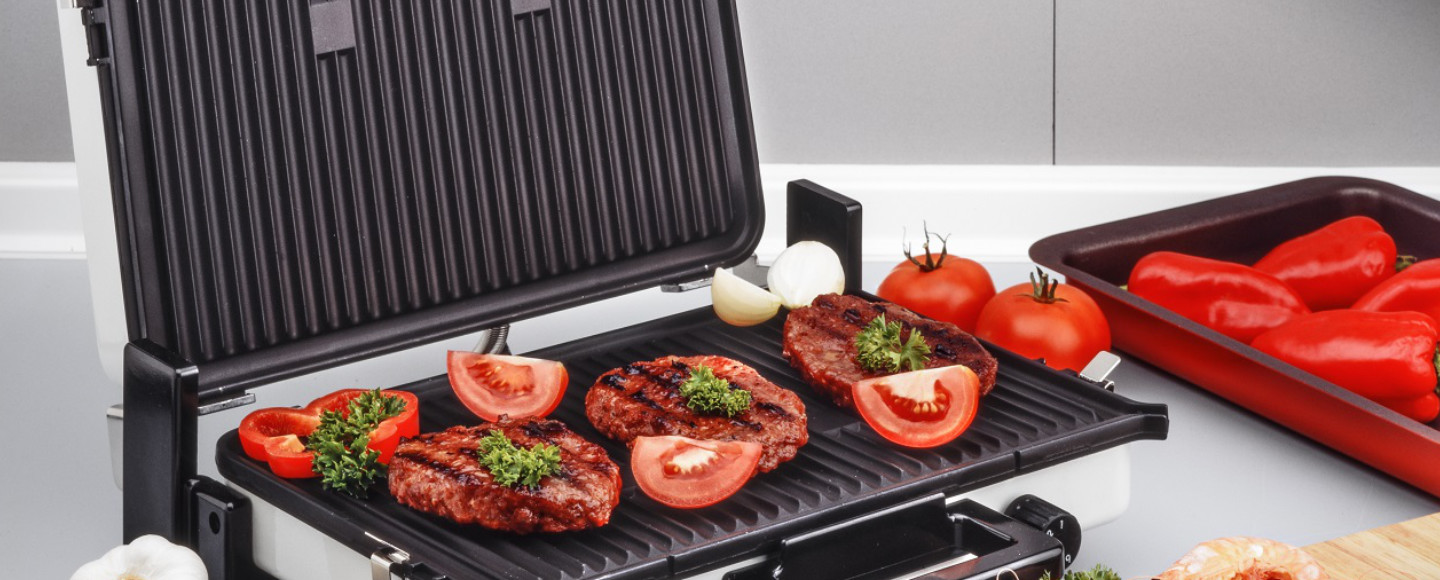
I’ll be honest with you — ten years ago, if a buddy told me he was grilling on an electric grill, I’d have given him a hard time about it. Electric grills used to be the punchline. Weak heat, flimsy plastic housings, grill marks that looked more like a waffle iron than a sear.
That’s not the case anymore, and if you’ve been avoiding electric grills because of what they used to be, it’s time to take another look.
I’ve spent the last several months running these things through the paces the same way I’d test any gas grill or charcoal grill — searing steaks, smoking through a rainstorm, hauling one to a tailgate, and leaving another running on my apartment balcony for a summer. This guide is everything I found.
Table of Contents
- Why Electric Grills Have Blown Up
- Who Should Buy (And Who Shouldn’t)
- Quick Picks
- How I Tested
- Quick Comparison Table
- Best Electric Grill Reviews
- Best for Outdoor & Balcony Cooking
- Best for Indoor Cooking
- Best Electric Grill for Steak
- Electric vs. Gas vs. Charcoal
- Buying Guide
- Getting Maximum Flavor
- Cleaning & Maintenance
- FAQs
- Final Verdict
Why electric grills have blown up in popularity
Three things are driving this. First, more people are living in apartments and condos with HOA rules or fire codes that flat-out ban propane and charcoal on balconies. An electric grill sidesteps that problem entirely because it doesn’t involve an open flame or combustible fuel.
Second, the technology genuinely got better. Modern electric grills can hit real searing temperatures — some crest 600°F to 700°F — which simply wasn’t happening five or six years ago. Third, convenience matters more than ever. You plug it in, it heats up, you cook, you unplug it. No propane tank runs, no charcoal chimney, no 45-minute wait for coals to ash over.
Who should buy an electric grill (and who shouldn’t)
If you live in an apartment, condo, or anywhere with fire restrictions, an electric grill is probably your best — or only — option for real outdoor-style cooking at home. If you want the convenience of pushing a button and walking away, or if you’re cooking indoors on a rainy day and don’t want your kitchen full of smoke, electric is the answer.
If you’re chasing deep, heavy smoke flavor on a beef brisket, I won’t lie to you — a dedicated pellet smoker or offset smoker will always do that better. Electric grills can get you close with wood chip accessories, but they’re not trying to replace a full smoke setup. Know what you’re buying one for.
Quick overview of what’s ahead
I tested five standout models this year that cover every use case in this guide — best overall, best value, best premium, best portable, and best dedicated indoor grill. I’ll break down exactly who each one is for, then walk you through a full buying guide so you can make the right call even if none of my picks are a perfect fit.
How I tested these grills
For every grill in this guide, I ran the same core tests: a max-heat sear test with steaks, a low-and-slow test with chicken thighs, a cold-start-to-temperature timing test, and a real-world cleanup after a greasy cook. I also left each one running in cold weather and in wind, because manufacturer spec sheets never tell you how a grill performs when it’s 40°F outside and gusting. Weight, portability, and control panel usability were all part of the scoring too.
Quick Picks: Top Electric Grills
Weber Lumin
Legitimate high-heat searing performance in a compact, balcony-friendly footprint.
George Foreman 15-Serving
Massive 240 sq. in. cooking space and versatile pedestal stand at a budget-friendly price.
Ninja Woodfire Pro XL
Real wood pellet smoke, dual probes, and app control hitting up to 700°F.
Quick Comparison Table: Best Electric Grills at a Glance
| Grill | Cooking Area | Indoor/Outdoor | Temp Range | Power | Best For | Pros | Cons |
|---|---|---|---|---|---|---|---|
| Weber Lumin official store |
200 sq in | Outdoor | Up to 600°F+ | 1840W | Best overall | Real searing heat, steam/smoke reservoir | Pricier than basic models |
| Ninja Woodfire Pro Connect XL official store |
Large | Outdoor | Up to 700°F | 1760W | Best premium/smart | True wood pellet smoke, app + probes | Bigger footprint, higher price |
| George Foreman 15-Serving Indoor/Outdoor Walmart |
240 sq in | Both | Up to 450°F | 1600W | Best value/balcony | Cheap, huge capacity, pedestal stand | Won’t sear as hard as premium picks |
| Breville the Smart Grill (BGR820XL) official store |
Large | Indoor | Up to 450°F | 1800W | Best dedicated indoor | Element IQ heat recovery, flips to griddle | Not weatherproof for outdoor use |
| Weber Q1400 official store |
Compact | Outdoor/Portable | Up to 550°F | 1560W | Best classic portable | Rugged cast-iron grates, travels well | Fewer smart features |
Best Electric Grill Reviews
I put these five through real cooks, not just spec sheets. Here’s how they shook out and who each one is actually right for.
Best Overall Electric Grill: Weber Lumin
Why it wins: The single biggest complaint I’ve had about electric grills over the years is weak heat. You can’t get a proper sear on a ribeye if your grill tops out at 400°F. The Weber Lumin solves that. In my testing, it regularly blasted past 600°F, and that’s the difference between a steak that’s gray and steamed versus one with real color and crust.
Key features: The plates are heavy porcelain-enameled cast iron, which hold heat far better than the thin aluminum plates you’ll find on budget models. There’s also a small reservoir where you can add water for steaming vegetables, or wood chips for a light touch of smoke flavor — something I genuinely didn’t expect from an electric grill in this price range.
Pros
- Legitimate high-heat searing performance
- Heavy cast-iron grates hold temperature well in wind
- Compact enough for most balconies, still HOA-friendly
Cons
- Costs more than entry-level electric grills
- Smaller cooking area than some family-sized options
Ideal buyer: Someone who wants one grill that can handle everything from weeknight burgers to a proper steak night, and who’s willing to pay a bit more for real performance. If you’ve been burned by a cheap electric grill before, this is the one that will change your mind.
Best Value Electric Grill: George Foreman 15-Serving Indoor/Outdoor
You don’t need to spend a lot to feed a crowd, and this is the grill I point budget-conscious friends toward first. At a fraction of the price of the premium picks on this list, the George Foreman 15-Serving still delivers a massive 240 square inches of cooking space under a domed lid — plenty for a family cookout or a small get-together.
What I like most is the versatility of the stand. It works fine sitting flat on a table, but it also pops right onto its included pedestal base, which is genuinely useful if you’re working with a tight apartment floor plan and need to tuck it away between cooks.
Pros
- Excellent price-to-capacity ratio
- Works both as a tabletop unit and a stand-up grill
- Easy entry point for apartment and balcony cooking
Cons
- Max temp of around 450°F won’t give you the same sear as the Lumin or the Ninja
- Fewer premium features like probes or app control
Ideal buyer: Renters, first-time grill buyers, or anyone who wants to feed a family without spending premium money. This is also one of the better contact grill-adjacent options if you’re comparing styles.
Best Premium Electric Grill: Ninja Woodfire Pro Connect XL
If you’re the type who wants to geek out over data and control, the Ninja Woodfire Pro Connect XL is the gold standard right now. It comes with dual integrated meat probes and Bluetooth/Wi-Fi app tracking, so you can keep an eye on your protein’s internal temp from inside the house instead of running out to check every ten minutes.
The feature that actually surprised me, though, is the built-in pellet box. It ignites real wood pellets with a small internal fan system, which means you get actual woodfire bark and smoke flavor — something standard electric coil grills simply cannot replicate. It also grills at a searing 700°F, the highest of any grill in this test.
Pros
- Real wood pellet smoke, not just a chip tray
- App control and dual meat probes take the guesswork out of doneness
- Highest max temperature in this lineup
Cons
- Bigger footprint, so it needs more patio or balcony space
- Premium price tag to match the premium features
Ideal buyer: Someone who’s already comfortable with smart home gadgets and wants restaurant-level control and flavor without babysitting the grill all afternoon.
Best Dedicated Indoor Grill: Breville the Smart Grill (BGR820XL)
For indoor cooking, this is the one I keep recommending. Instead of heating elements sitting below the plates like most contact grills, the Breville has them embedded directly inside the plates. Paired with its “Element IQ” sensor, the grill compensates instantly when a cold steak or a stack of burger patties hits the surface, so you don’t get that frustrating temperature dip that ruins a sear.
It also opens completely flat into a double-sided griddle, which makes it genuinely useful for breakfast — pancakes and bacon on one side, eggs on the other — not just dinner.
Pros
- Element IQ minimizes the heat drop when food goes on
- Converts from a closed contact grill to a flat open griddle
- Apartment-safe and smoke-conscious for indoor cooking
Cons
- Not built for outdoor weather exposure
- Max temp caps around 450°F, so it’s not a steakhouse sear machine
Ideal buyer: Anyone cooking primarily indoors — apartment dwellers without balcony access, or anyone who wants a countertop grill that pulls double duty as a griddle.
Best Classic Portable Grill: Weber Q1400
The Q1400 is the grill I’d take camping or to a tailgate if I had power access, hands down. It’s built like a tank, with a cast-aluminum body that holds heat well even when it’s windy — something a lot of lighter portable grills struggle with.
It doesn’t have the modern app connectivity or multi-zone controls of the Lumin or the Ninja, but honestly, that’s kind of the point. It’s simple, it’s rugged, and the thick cast-iron grates just work, cook after cook.
Pros
- Extremely durable, weatherproof build
- Reliable heat retention in wind and cold
- Easy to transport for camping or tailgating
Cons
- No smart features or probes
- Lower max wattage than the premium picks
Ideal buyer: Campers, tailgaters, and anyone who wants a no-nonsense grill that will still be running strong in ten years. If you’re comparing it against gas options for the same use case, it’s worth reading up on the Weber Q1400 electric grill review in more depth.
Best Electric Grills for Outdoor & Balcony Cooking
Here’s something worth clearing up before you keep shopping: an outdoor electric grill and a balcony electric grill are, in almost every practical sense, the same grill. A balcony is your outdoor space, and the same features that make a grill great for a backyard patio — weather resistance, compact footprint, stable stands — are exactly what you need for apartment living. I’m covering them together here instead of pretending they’re two separate buying decisions.
HOA and apartment rules
Most HOAs and apartment complexes restrict or outright ban propane and charcoal grills on balconies because of fire risk. Electric grills are almost always the exception, since there’s no open flame and no combustible fuel source involved. That said, always double-check your specific building’s rules before you buy — some older buildings restrict any grill regardless of fuel type.
Compact designs and weather resistance
For balcony use, look for a grill with a small footprint and a sturdy base that won’t tip in wind. The George Foreman 15-Serving is a smart pick here because its pedestal stand can be removed entirely, letting it sit flat and low if you’re working with a narrow balcony rail setup. The Weber Lumin is also balcony-friendly thanks to its compact housing, while still giving you the high-heat performance you’d expect from a full-size outdoor grill.
Larger cooking surfaces for backyard use
If you’ve got a full patio instead of a balcony, you have more room to go bigger. The Ninja Woodfire Pro Connect XL shines here — its larger footprint isn’t a problem when you’ve got the patio space, and the wood pellet smoking capability makes it feel like a legitimate backyard cooking station rather than a scaled-down apartment grill.
Stand-mounted vs. tabletop
Stand-mounted grills like the Lumin sit at a comfortable cooking height and free up table space, which matters more than people expect once you’re actually cooking for a group. Tabletop units, like the George Foreman when its stand is removed, are more flexible for tight spaces but mean you’re bending over more during the cook. Think about your actual cooking posture before you decide.
Safety and storage mistake to avoid
Always keep your electric grill at least a few feet from railings, siding, and anything flammable, and never run one under a retractable awning. When storing on a balcony, a breathable cover keeps rain off without trapping moisture against the plates.
Best Electric Grills for Indoor Cooking
If you don’t have outdoor space at all, or you just want the option to grill on a rainy night without smoking up the apartment, an indoor electric grill changes the game.
Smoke control
The biggest advantage of a true indoor grill like the Breville Smart Grill is smoke management. Because it’s designed for enclosed spaces, it produces far less smoke than an open flame grill, and models with a closed lid design trap what little smoke there is instead of letting it billow into your kitchen.
Non-stick cooking plates and easy cleanup
Indoor grills almost universally use non-stick or ceramic-coated plates rather than bare cast iron, which makes sense — you’re not trying to build up seasoning the way you would outdoors, you’re trying to make cleanup painless after a weeknight dinner. Removable plates that go straight into the sink or dishwasher are worth prioritizing.
Apartment-friendly models and safety features
Look for auto shut-off timers, cool-touch handles, and a stable, low-profile base if you’ve got kids or pets around. The Breville checks all three boxes, which is a big part of why it’s my top indoor pick.
Contact grills vs. open indoor grills vs. smokeless grills
These three styles get lumped together, but they cook differently. A contact grill (like a classic panini press) cooks food from both sides at once and cooks faster, but you lose true grill marks on thicker cuts. An open indoor grill, like the Breville in its flat mode, gives you one cooking surface and more control over sear development. A dedicated smokeless grill uses a different airflow and drip system specifically engineered to pull smoke away from your food and vent it, which matters most if you’re cooking fattier cuts indoors.
Best Electric Grill for Steak
Let’s talk steak, because it’s the question I get asked more than any other: can an electric grill actually sear a steak properly? The honest answer is — some can, and some can’t, and the difference comes down to two things: max temperature and grate material.
High heat capability and searing performance
You need real heat for a real sear — I’m talking 600°F or higher. That’s where the Weber Lumin and Ninja Woodfire Pro Connect XL separate themselves from budget electric grills that cap out around 400–450°F. At those lower temps, you’re basically steaming your steak with grill lines instead of searing it. If steak is your main reason for buying an electric grill, don’t settle for anything under 500°F.
Cast iron vs. non-stick grates
Cast iron — especially porcelain-enameled cast iron like you’ll find on the Lumin — retains and radiates heat far better than thin non-stick aluminum plates. That heat retention is what gives you an even, dark crust across the whole steak instead of pale patches where the metal cooled down too fast. If you’re shopping specifically for steak performance, cast iron grates should be non-negotiable.
Grill marks and getting a proper crust
Good grill marks come from contact and heat, not from the grate pattern alone. Press the steak down gently once it hits the grate, resist the urge to move it every thirty seconds, and let the plate do its job. On a grill running above 600°F, you can get genuine char in under two minutes per side on a 1-inch steak.
Reverse searing on an electric grill
Reverse searing works beautifully on electric grills with a wide temperature range. Start the steak low and slow — around 250°F — until it’s about 10–15°F under your target internal temp, then crank the grill to max heat for a fast, hard sear on each side. This is where the Lumin’s range really pays off, since you’re using both ends of its temperature spectrum in one cook. I’ve had great luck pairing this method with tips from our reverse sear guide if you want the full breakdown, and it’s worth brushing up on common steak grilling mistakes before your first attempt.
Head-to-Head: Electric vs. Gas vs. Charcoal Grills
Before you get lost in the finer buying details, it’s worth zooming out and asking the bigger question: should you even be buying an electric grill in the first place, or would you be happier with gas or charcoal? Here’s the honest comparison.
Flavor
Charcoal wins on flavor, full stop. There’s a smokiness that comes from live fire and dripping fat hitting hot coals that neither gas nor electric can fully replicate. Gas grills come in second — you lose some of that charcoal character, but you can still get real caramelization and char. Electric grills land last on pure flavor, though models like the Ninja Woodfire close that gap significantly with real wood pellet smoke.
Heat output
Charcoal can run hotter than either alternative, easily exceeding 700°F in a concentrated area. Gas grills typically run 500–600°F depending on the model. Electric grills used to lag far behind here, but premium models like the Lumin and the Ninja now compete directly with mid-range gas grills, hitting 600–700°F.
Convenience
This is electric’s home turf. No propane tank to run out mid-cook, no charcoal chimney, no ash cleanup. You plug it in, it heats up in minutes, and you’re cooking. Gas is the convenient middle ground — quick to start, but you’re still managing a tank. Charcoal takes the most time and the most attention.
Maintenance and running costs
Electric grills are cheap to run — a typical cook costs pennies in electricity. Gas costs more per cook once you factor in propane refills, and charcoal is the most expensive per session if you’re buying quality lump charcoal or briquettes regularly, detailed further in our breakdown of charcoal grill vs. gas grill costs. Electric grills also tend to have fewer parts that wear out, since there are no burners or igniters to replace.
Apartment and space restrictions
This is often the deciding factor for renters. Many apartment complexes and HOAs ban both gas and charcoal grills on balconies due to fire codes, but almost universally allow electric grills. If you live somewhere with these restrictions, this alone may make the decision for you.
Best users for each
- Charcoal: Flavor purists with a backyard and time to spend on the cook.
- Gas: Homeowners who want quick weeknight grilling with solid flavor and no fuss.
- Electric: Apartment dwellers, balcony cooks, indoor cooks, and anyone who values convenience and safety above maximum smoke flavor.
Electric Grill Buying Guide: Key Features to Consider
If none of my five picks are quite right for your situation, here’s what actually matters when you’re comparing electric grills on your own.
Indoor vs. Outdoor Designs
Indoor grills prioritize smoke control, non-stick plates, and compact countertop footprints, but they’re not built to handle rain, wind, or extreme cold. Outdoor grills use weatherproof housings and often heavier grates for better heat retention outside, but they’re overkill — and sometimes unsafe — for indoor use due to smoke output. Don’t try to make an indoor grill do an outdoor grill’s job, or vice versa.
Cooking Surface Size
Think honestly about how you actually cook. If it’s just you or a partner, something in the 150–200 square inch range is plenty. Families of four or more should look at 240+ square inches, like the George Foreman’s cooking area. If you regularly entertain, prioritize surface area over almost every other feature, because running food in shifts gets old fast.
Temperature Control
An adjustable thermostat with clear, distinct temperature settings matters more than people expect. You want the ability to run low and slow for chicken and vegetables, and crank up high for a sear, without guessing where “medium” actually lands in real degrees. Also pay attention to preheating speed — some budget models take 15+ minutes to get hot, which kills the “convenience” argument for buying electric in the first place.
Wattage, Temperature Range, and Searing Power
Wattage is a rough proxy for how much heat a grill can generate and how well it holds temperature once food hits the grates. Anything under 1500W is going to struggle to sear, especially outdoors in wind or cold. The grills in this guide range from 1560W to 1840W, and that range tracks closely with how well each one performed in my searing tests.
Grill Plate Materials
- Cast iron: Best heat retention, best sear, needs more care to prevent rust if uncoated.
- Porcelain-coated cast iron: Same heat performance as bare cast iron, easier to clean, what you’ll find on the Weber Lumin.
- Aluminum: Lightweight and heats fast, but loses heat quickly too — fine for burgers, weak for steaks.
- Ceramic-coated: Good non-stick performance with decent heat retention, common on mid-range models.
- Non-stick: Easiest to clean, but generally the weakest at holding high heat over time.
Ease of Cleaning
Removable drip trays and dishwasher-safe plates make a huge difference in whether you’ll actually want to grill on a Tuesday night or dread the cleanup enough to skip it. The Breville’s removable plates and George Foreman’s simple wipe-down design both score well here.
Portability and Storage
If you’re tight on space, look at weight, folding legs or stands, and built-in carry handles. The Weber Q1400 is the clear winner for portability in this lineup, while the Ninja Woodfire’s larger size makes it more of a stay-put patio appliance.
How to Get Maximum Flavor from an Electric Grill
Electric grills get a bad reputation for producing bland food, but that’s almost always a technique problem, not a hardware problem. Here’s what actually moves the needle.
Preheat properly. Don’t rush this. Give the grill the full time it needs to reach your target temperature before food goes on — usually 8-10 minutes for a proper sear temperature. Food placed on a grill that’s still climbing to heat will steam instead of sear.
Use cast iron plates when searing is the goal. As I covered in the steak section above, cast iron holds and radiates heat far more consistently than aluminum or basic non-stick plates, and that consistency is what builds real color and crust.
Cook with the lid closed for even heat. An open lid lets heat escape and creates hot and cold spots across the cooking surface. Closing the lid traps heat around the food, cooking it more evenly and speeding up thicker cuts.
Add wood smoke accessories where the grill supports it. Models like the Weber Lumin with a smoke reservoir, or the Ninja Woodfire with its full pellet system, let you introduce real wood smoke flavor that a bare electric coil simply can’t produce on its own.
Season properly before the food ever touches the grate. A generous dry brine an hour before cooking, or a simple oil-and-salt rub right before grilling, does more for flavor than almost any other single step. Don’t skip it just because you’re cooking electric instead of over coals.
Cleaning and Maintaining Your Electric Grill
A little maintenance goes a long way toward keeping your grill performing like new. Here’s the routine I follow after every cook.
- Cool down safely. Unplug the grill and let it cool completely before touching any surface. Cast iron plates especially can hold heat far longer than you’d expect.
- Remove grease from the drip tray. Do this after every use — built-up grease is both a fire hazard and the fastest way to make your next cook smell burnt.
- Wash the cooking plates. Removable plates should go straight into warm soapy water or the dishwasher if they’re rated for it. For fixed plates, scrape while slightly warm and wipe with a damp cloth.
- Clean the heating elements carefully. Never submerge electrical components. A dry brush or a barely damp cloth is enough to knock off residue without risking damage.
- Store properly. Keep your grill covered if it lives outdoors, and store it somewhere dry to avoid rust on any exposed metal parts.
Frequently Asked Questions
What is the best electric grill overall?
Based on my testing, the Weber Lumin is the best overall electric grill thanks to its genuine high-heat searing performance and heavy cast-iron grates, all in a footprint that still works for most patios and balconies.
Are electric grills worth buying?
Yes, especially if you live somewhere with fire restrictions, want indoor grilling flexibility, or simply value the convenience of plugging in and cooking without managing propane or charcoal. They won’t fully replace charcoal for pure smoke flavor, but for most everyday grilling, they hold up well.
Can an electric grill cook steak well?
It can, but only if it reaches high enough temperatures. Look for a model that hits at least 600°F with cast-iron or porcelain-enameled grates. Anything topping out around 400°F will struggle to give you a real sear.
Do electric grills get hot enough?
Premium models like the Weber Lumin and Ninja Woodfire Pro Connect XL now reach 600–700°F, which is genuinely competitive with mid-range gas grills. Budget models tend to cap around 400–450°F, which is fine for burgers and vegetables but limited for searing.
Are electric grills allowed on apartment balconies?
In most cases, yes. Because they don’t involve an open flame or combustible fuel, electric grills are typically exempt from the propane and charcoal bans that apply in HOA and apartment fire codes. Always confirm with your specific building, since rules do vary.
Can you use an indoor electric grill outside?
It’s not recommended. Indoor grills aren’t built with weatherproof housings and often aren’t rated for outdoor electrical safety. Stick to a grill labeled for outdoor or indoor/outdoor use if you plan to cook outside.
Which electric grill is easiest to clean?
The Breville Smart Grill and the George Foreman 15-Serving both scored well here thanks to removable, easy-to-wash plates and simple drip tray systems.
Do electric grills produce smoke?
Far less than gas or charcoal grills, which is part of their appeal for indoor and apartment use. Some premium models, like the Ninja Woodfire, can intentionally add real wood smoke through a pellet system if you want that flavor.
How long do electric grills last?
With regular cleaning and proper storage, a quality electric grill should last 5-10 years. Heavier-built models with cast-iron or cast-aluminum construction, like the Weber Q1400, tend to hold up longest.
What accessories should I buy for an electric grill?
A good grill cover, a set of long-handled tongs and a spatula, and an instant-read thermometer if your grill doesn’t come with built-in probes. It’s also worth picking up a best electric grill brush with grill-safe bristles for cleaning cast-iron plates without scratching the coating.
A quick note for UK readers
If you’re shopping from the UK, double-check voltage and plug compatibility before ordering — most US electric grills run on 120V and won’t work safely on the UK’s 230V system without a proper transformer, not just a plug adapter. Popular UK-market electric grills include region-specific versions from brands like Tower and Salter, which are built for 230V from the factory.
Final Verdict: Which Is the Best Electric Grill?
After months of testing, here’s how I’d point different buyers toward the right grill:
- Best Overall: Weber Lumin — real searing heat in a balcony-friendly footprint.
- Best Indoor: Breville the Smart Grill — smart heat recovery and a griddle mode that earns its keep.
- Best Outdoor & Balcony: Weber Lumin and George Foreman 15-Serving, depending on your budget.
- Best for Steaks: Weber Lumin — the cast-iron grates and 600°F+ range make the difference.
- Best for Apartment Balconies: George Foreman 15-Serving Indoor/Outdoor — unbeatable value with a removable pedestal stand.
- Best Budget Pick: George Foreman 15-Serving Indoor/Outdoor.
- Best Premium Pick: Ninja Woodfire Pro Connect XL — for real wood smoke and full app control.
If you take one thing away from this guide, let it be this: don’t judge electric grills by what they used to be. The category has genuinely leveled up, and there’s a real chance one of these five earns a permanent spot on your patio, balcony, or countertop.