
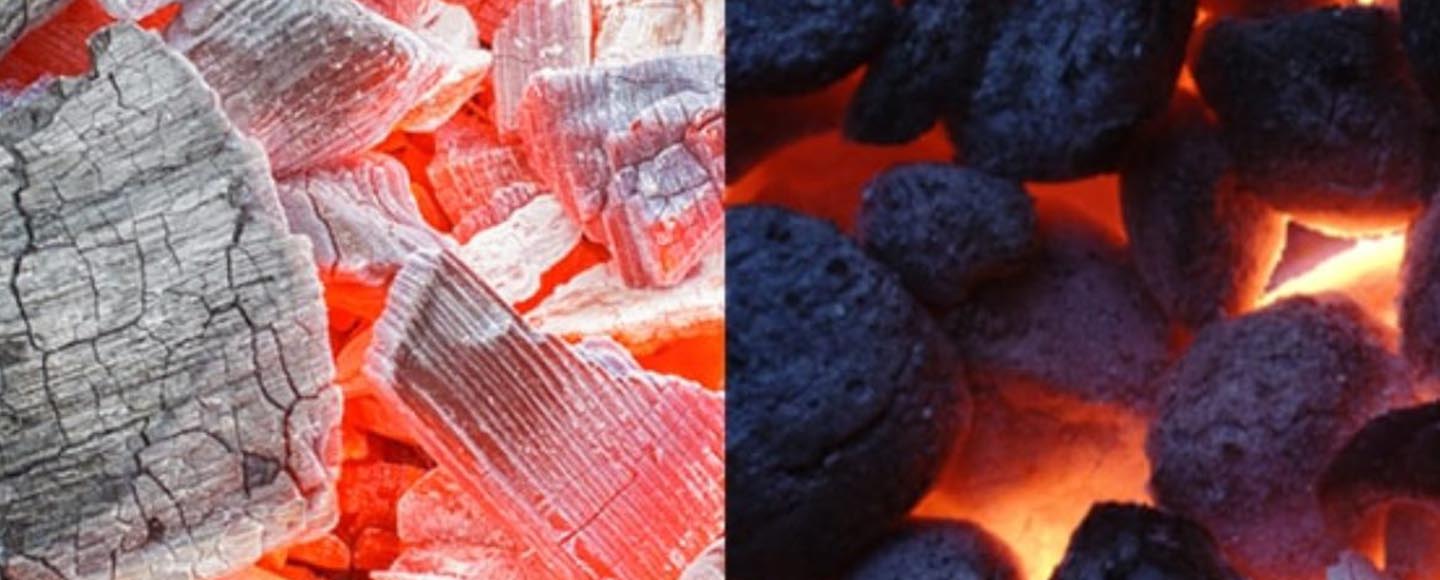
I get asked this question more than almost anything else at the grill: “Andy, lump or briquettes — which one should I actually be buying?”
Honestly? After ten-plus years of burning through more bags of charcoal than I can count, my answer is still “it depends.” That’s not me dodging the question — it’s the truth. I keep both in my garage right now, and I reach for a different one depending on what’s going on the grate.
Here’s the short version before we get into the weeds: lump charcoal is all-natural, lights fast, and burns screaming hot — great for searing and quick, high-heat cooks. Briquettes are engineered for consistency — they burn slower, steadier, and more predictably, which makes them a beginner-friendly choice and a favorite for long smokes.
By the end of this guide, you’ll know exactly which one fits your cook, your grill, and your patience level. Let’s get into it.
Quick Comparison: Lump Charcoal vs Briquettes
If you’re standing in the store aisle right now trying to make a fast decision, this table will get you there.
| Feature | Lump Charcoal | Briquettes |
|---|---|---|
| Made from | 100% natural hardwood | Charcoal dust, sawdust, and binders |
| Burn time | Shorter, burns hot and fast | Longer, steady burn |
| Heat output | Very high (great for searing) | Moderate, more controlled |
| Temperature control | Trickier — more spikes | Easier — very predictable |
| Smoke flavor | Cleaner, more natural wood taste | Mild, sometimes slightly chemical if cheap |
| Ash production | Less ash | More ash |
| Cost | Usually pricier per pound | Usually cheaper per pound |
| Lighting speed | Lights quickly | Takes a bit longer |
| Consistency | Irregular pieces, uneven burn | Uniform shape, even burn |
| Best uses | Searing, grilling, pizza ovens | Low-and-slow smoking, beginners |
Keep this table in your back pocket. Now let’s dig into why each of these fuels behaves the way it does.
Defining the Fuel: What’s Actually in the Bag?
What Is Lump Charcoal?
Lump charcoal is about as close to “just wood” as you can cook over without actually building a campfire. It’s made by taking hardwood — think oak, hickory, maple, or mesquite — and burning it in a low-oxygen environment until everything but the carbon burns away. That process is called carbonization, and it’s basically the same idea as how charcoal has been made for centuries.
Because there’s nothing added, you’re cooking over pure, natural fuel. No binders, no fillers, no fluff.
Quick glance — Pros of lump charcoal:
- Lights fast, especially in a chimney starter
- Burns very hot, which is exactly what you want for searing
- 100% natural hardwood, no additives
- Produces noticeably less ash
- Great for imparting a clean, natural wood flavor
Quick glance — Cons of lump charcoal:
- Pieces come in random shapes and sizes, so the burn isn’t always even
- Burns hotter but shorter, meaning more refueling on long cooks
- Usually costs more per pound than briquettes
- Needs a bit more hands-on fire management
I’ll be straight with you — the first few times I used lump, I found myself chasing temperature swings because one big chunk would catch and throw the whole grate ten degrees hotter. You get used to it. It just takes a few cooks to learn how your particular grill and your particular bag of lump behaves.
What Are Charcoal Briquettes?
Briquettes are the pillow-shaped, uniform pieces most of us grew up grilling with. They’re made by compressing charcoal dust and sawdust (leftover material from lumber production) with a binder — usually starch — and pressing it all into that familiar shape.
That manufacturing process is exactly why briquettes behave so differently from lump. Every piece is nearly identical, which means every piece burns at close to the same rate. That’s consistency you can build a whole cook around.
Quick glance — Pros of briquettes:
- Long, steady burn time
- Very consistent heat, easy to dial in and hold
- More affordable, especially buying in bulk
- Simple to control temperature with
- Forgiving for beginners
Quick glance — Cons of briquettes:
- Produce more ash, which means more cleanup
- Take a little longer to fully light
- Don’t hit the same peak temperatures as lump
- Cheaper, match-light varieties can carry a chemical smell
That last point matters, so let’s clear something up right now: not all briquettes are created equal. The cheap, match-light briquettes — the ones pre-soaked in lighter fluid so they catch with a single match — are almost always the reason briquettes get a bad reputation for smelling “chemical” or tasting off. High-quality, all-natural briquettes use plain vegetable starch as their binder and burn clean, with barely any noticeable odor. If you’ve had a bad experience with briquettes in the past, there’s a good chance it was the fluid-soaked stuff talking, not the briquette itself.
Head-to-Head: Key Performance Differences
Burn Time
This is one of the most practical differences between the two, and it should genuinely factor into your buying decision.
Briquettes last longer. Their dense, uniform shape means they burn slow and steady — often in the 3 to 4 hour range for a full chimney, sometimes longer depending on airflow. That makes them the natural choice for anything low-and-slow.
Lump charcoal burns faster and hotter. A chimney of lump might only give you 1 to 2 hours of strong heat before it starts tapering off. Great for a quick grilling session, but on a long cook, you’ll be adding more lump to the fire more often.
If you’re doing a quick weeknight grill session, that shorter burn time isn’t a problem at all. If you’re settling in for an all-day brisket, it’s something you need to plan around — either by using the minion method to feed unlit coals gradually, or by leaning on briquettes instead.
Temperature & Heat Output
Lump charcoal wins on raw heat, no question. It can push past 1,000°F, which is exactly why competition grillers and steakhouse-style cooks lean on it for searing. It also recovers heat fast — open the lid to flip a steak, and the temperature bounces right back.
Briquettes burn cooler, typically topping out somewhere in the 700-800°F range, but they’re far more stable. You won’t get the same temperature spikes, which honestly makes them easier to live with if you’re still learning to read your grill.
Neither is “better” here — it depends whether you want a fuel that hits hard and fast, or one that holds a line and stays there.
Flavor & Smoke Quality
Here’s something a lot of beginners get wrong: charcoal itself contributes very little smoke flavor. What you’re really tasting comes from wood chips or chunks, drippings hitting the coals, and the char you develop on the food’s surface.
That said, lump charcoal does tend to produce a slightly cleaner-tasting smoke since it’s pure hardwood with nothing added. Briquettes, especially cheaper ones, can occasionally carry a faint chemical note if they’re loaded with binders or, worse, pre-soaked in lighter fluid.
Bottom line: if flavor is your top priority, your choice of wood for smoking matters a lot more than lump vs briquettes ever will.
Cost Comparison
Briquettes almost always win on price per pound, and they win even harder on cost per cook, since you need less babysitting and fewer refuels to hold a steady temperature over several hours.
Lump charcoal costs more upfront, and because it burns hot and fast, you’ll go through more of it on longer cooks. For a quick Tuesday-night grill session, that price difference is basically nothing. For someone running a smoker every weekend, it adds up fast.
My honest take: if you’re grilling occasionally, spend the extra few dollars on lump — it’s worth it. If you’re smoking regularly, briquettes will save you real money over a season.
Ash Production & Cleanup
Briquettes produce noticeably more ash than lump charcoal. On a short cook that’s barely worth mentioning, but on a 10-12 hour smoke, that ash can actually build up enough to choke off airflow through your bottom vents, which drags your temperature down right when you need it most.
Lump burns cleaner and leaves behind less residue, which means less mid-cook maintenance and an easier cleanup when you’re done.
If you’re running long cooks, get in the habit of checking your ash pan or bottom vent every couple of hours — regardless of which fuel you’re using.
Ease of Lighting & Fire Management
Both fuels light easily with a chimney starter, which I’d recommend over lighter fluid every single time — fluid leaves an aftertaste and honestly isn’t necessary.
Lump catches faster because the irregular pieces have more surface area exposed to the flame. Briquettes take a few extra minutes but reward you with a fire that’s easier to arrange, whether you’re doing a basic two-zone setup or something more deliberate like a snake method or a vortex for wings.
If you’re new to charcoal cooking, I’d actually recommend starting with briquettes just to build confidence managing your vents and temperature before jumping into the faster, hotter world of lump.
The Matchups: Which Fuel Wins for Your Cook?
Different cooks call for different fuel. Here’s how I’d break it down based on what’s actually going on the grill.
For Smoking & Low-and-Slow Cooks
Long cooks are where fuel choice really matters. You want something that holds a steady temperature for hours without you having to babysit it constantly, and that’s where briquettes generally have the edge — their consistent burn rate makes it much easier to hold 225-250°F for 8, 10, even 14 hours on something like a smoked brisket.
That said, plenty of experienced smokers still prefer lump for the cleaner flavor and use the minion method (a small lit pile that slowly ignites unlit lump around it) to stretch the burn time out. It works — it just takes more attention.
The offset smoker exception: If you’re running an offset smoker, the rules shift a bit. Offsets rely primarily on wood splits for heat and smoke — charcoal’s real job there is building a solid, glowing coal bed to get your fire started and keep it stable while the splits catch. For that purpose, briquettes actually work great since they create a consistent, long-lasting coal base you can build your wood fire on top of. Lump can do the job too, but it burns down faster, meaning more attention to keep that coal bed alive through the cook.
For Searing Steaks
When you want a hard, dark crust on a ribeye, lump charcoal is the clear winner. The higher heat ceiling gives you a faster, more aggressive sear — which matters a lot if you’re doing a reverse sear, where you’re bringing the steak up slowly on indirect heat before finishing it over a screaming-hot direct flame. Briquettes can still get you a good steak, but you won’t get quite the same crust in the same amount of time.
For Backyard Burgers
Burgers are a little more forgiving, and this is one spot where briquettes might actually be the smarter pick, especially if you’re cooking for a crowd. Their even, moderate heat means less risk of flare-ups from dripping fat, and it’s easier to cook a dozen patties to the same doneness without babysitting hot spots. Lump works fine too, just keep a closer eye on flare-ups.
For High-Heat Pizza Ovens
If you’re chasing that 800°F+ Neapolitan-style pie in a wood-fired or outdoor pizza oven, lump charcoal is going to get you there faster and recover heat quicker between pies. Briquettes simply don’t hit the same peak temperatures, which makes them a weaker choice when the whole point is maximum heat in a short window.
Is Lump Charcoal Healthier Than Briquettes?
This one comes up a lot, and there’s a fair amount of myth mixed in with the facts.
The short answer: neither fuel is inherently “unhealthy” when used correctly. Lump charcoal is just carbonized wood — nothing added. Quality briquettes use a starch-based binder, which isn’t some scary chemical additive; it’s essentially the same stuff you’d find thickening a sauce.
Where things actually go sideways on the health front isn’t the charcoal itself — it’s how you cook. Flare-ups that char and blacken food, poor ventilation that traps smoke, and using cheap match-light briquettes soaked in lighter fluid are the real culprits behind anything you might’ve heard about “chemical” tasting or unhealthy grilled food. Manage your flare-ups, keep your grill clean, and buy quality charcoal (skip the match-light stuff), and you’re in good shape either way.
Can You Mix Lump Charcoal and Briquettes?
Absolutely — and honestly, this is what I do more often than not these days.
Mixing gives you the best of both worlds: lump charcoal to get the fire going fast and add a bit of that clean natural flavor, and briquettes layered in to stretch out the burn time and hold a steadier temperature for the long haul.
A setup I use a lot: light a chimney of lump for quick, high heat at the start of a cook, then bank briquettes around the edges of the firebox to slowly catch and extend the burn. It’s a simple way to get fast ignition and long, consistent heat without babysitting the fire all day.
Common Pitfalls to Avoid
A few mistakes I see beginners make over and over:
- Buying purely on price. The cheapest bag isn’t always the best value once you factor in burn time and consistency.
- Using briquettes for high-heat searing. You’ll be waiting a long time for a crust that lump would’ve given you in a fraction of the time.
- Relying only on lump for a long, unattended cook. You’ll likely end up refueling more than you’d like, or watching your temperature drift.
- Ignoring charcoal quality. Cheap, filler-heavy briquettes and low-grade lump can both leave an off taste.
- Poor airflow management. No matter which fuel you choose, if your vents are clogged with ash or closed too tight, your temperature control goes out the window.
Frequently Asked Questions
Is lump charcoal better than briquettes? Not universally — it depends on the cook. Lump is better for high-heat searing and quick grilling; briquettes are better for long, steady smokes.
Why do competition BBQ teams use briquettes? Consistency. When you’re being judged on a tight schedule, a predictable, steady burn matters more than peak heat.
Can you use lump charcoal in every grill? Mostly yes, though very small grills or grills with tight grates may struggle with the irregular sizing of lump pieces.
Which charcoal burns hotter? Lump charcoal, by a noticeable margin.
Which charcoal lasts longer? Briquettes, thanks to their dense, uniform shape.
Which produces less ash? Lump charcoal produces noticeably less ash than briquettes.
Which gives better flavor? Lump charcoal has a slightly cleaner, more natural taste, though wood chips and chunks matter far more for actual smoke flavor.
Which is better for beginners? Briquettes — the predictable burn makes it much easier to learn temperature control before moving on to lump.
Final Verdict: The Pitmaster’s Strategy
Here’s how I’d sum it all up after years of burning through both:
Choose lump charcoal if: you want maximum heat, a clean natural wood flavor, minimal ash, and a fast-starting fire — think steaks, burgers, and pizza ovens.
Choose briquettes if: you want predictable, set-it-and-forget-it temperatures, a longer burn time, and budget-friendly fuel — especially for long smoking sessions and if you’re still building confidence with fire management.
The winning playbook: keep both on hand. I use lump when I want speed and high heat, and briquettes when I want a fire I can trust to hold steady for hours without much fuss. Once you’ve cooked with both a few times, you’ll start to feel which one your next cook is calling for — and that’s really the whole game.
Fire up whichever one matches tonight’s menu, and you’ll be in good shape either way.
1 Comment