
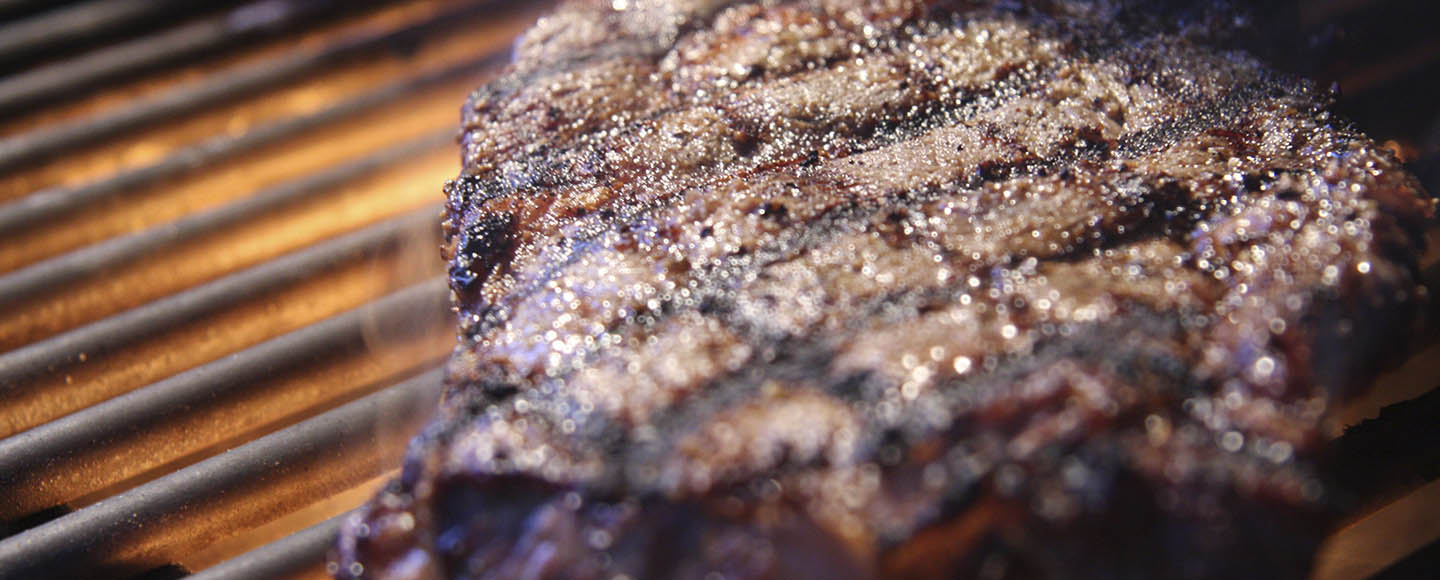
How to Grill Steak on a Gas Grill
If you’ve ever pulled a steak off your gas grill and cut into it hoping for a juicy medium-rare, only to find gray, overcooked meat all the way through — you’re not alone. I’ve been there. Early on, I ruined more ribeyes than I’d like to admit, all because I was cooking by the clock instead of paying attention to what the grill and the steak were actually telling me.
Here’s the good news: a gas grill can absolutely produce steakhouse-quality results. You don’t need charcoal, you don’t need a fancy smoker, and you don’t need years of experience. You need the right temperature, a little patience, and a meat thermometer you actually trust. (Still weighing gas against coals? Our charcoal vs. gas grill comparison covers the trade-offs.)
The biggest mistakes I see people make are pretty consistent — starting with a grill that isn’t hot enough, flipping the steak every 30 seconds because they’re nervous, and guessing doneness by cutting into the meat (which just lets all those good juices spill out onto your plate instead of staying in the steak).
In this guide, I’ll walk you through everything I’ve learned after more than a decade of grilling steaks on gas — the ideal temperature, how long to cook different thicknesses, when to keep the lid open or closed, how to hit every level of doneness on purpose, and a dedicated section on ribeye since it’s one of the most popular cuts for gas grilling.
Sear over 450–500°F at grate level with a two-zone setup, and cook to internal temperature — not by the clock. Most 1-inch steaks take 6–14 minutes total depending on doneness. Pull medium-rare at 125–130°F, let carryover finish it at 130–135°F, and rest the steak 5–10 minutes before slicing.
What You Need to Grill Steak on a Gas Grill
You don’t need a garage full of gear for this. Here’s what actually matters.
Essential equipment:
- A gas or propane grill
- An instant-read meat thermometer (this is non-negotiable — more on why in a minute)
- Long-handled tongs (never a fork — piercing the steak lets juices escape)
- A grill brush for clean grates
- A small bowl for oil
- Paper towels
Ingredients:
- Steak (obviously)
- Kosher salt
- Coarse black pepper
- A high-heat cooking oil, like avocado or refined canola
- Optional: garlic, butter, fresh herbs, or a steak seasoning blend
If there’s one piece of gear I’d tell a beginner to invest in before anything else, it’s the thermometer. I know plenty of people who’ve been grilling for years and still just poke the steak and “guess.” You can do better than that, and it costs less than a good steak dinner.
ThermoPro TP19H
Fast fold-out instant-read — the budget workhorse for checking steak temps.
ThermoWorks Thermapen ONE
The pro-standard instant-read — blazing fast and dead accurate.
MEATER Plus
Truly wireless probe with phone tracking for hands-off temp monitoring.
Want the full field tested side by side? We break down every style and budget in our guides to the best grilling thermometers and the best wireless meat thermometers.
What Is the Best Steak for a Gas Grill?
Not every cut behaves the same way over high, direct gas heat, so it’s worth knowing what you’re working with before you fire up the burners. (New to the butcher case altogether? Our types of steaks guide maps out every cut.)
Ribeye
Ribeye is my go-to recommendation for gas grilling, and it’s not close. The heavy marbling renders down as it cooks, basting the meat from the inside and giving you a rich, beefy flavor that holds up beautifully to high heat. I’ll go deeper on ribeye technique later in this guide.
New York Strip
A strip steak gives you a nice balance — tender, but with more chew and beefy flavor than a filet. It’s forgiving and grills predictably, which makes it a solid choice if you’re still building confidence.
Sirloin
Sirloin is leaner and usually easier on the wallet. It won’t have the same buttery texture as a ribeye, but cooked right, it’s a great weeknight option.
Filet Mignon
Extremely tender, but because it’s so lean, it needs more attention. There’s less fat to protect it from overcooking, so your margin for error is smaller.
Flank and Skirt Steak
These are built for quick, hot cooking — get a hard sear, pull them fast, and always slice against the grain. Skip that last step and even a perfectly cooked flank steak will taste tough.
Whatever cut you pick, the technique in this guide will get you there. Let’s talk prep.
How to Prepare Steak for the Gas Grill
Bring the steak to the right starting temperature
You’ve probably heard that you need to let steak sit out for 30-45 minutes before grilling. Honestly? For a steak of average thickness, this makes a smaller difference than people think — you’re not going to ruin dinner if you skip it. What matters more is not going straight from a deep freeze to the grill. If your steak is ice-cold in the center, give it 15-20 minutes on the counter so it cooks more evenly.
Pat the steak dry
This one actually matters. Surface moisture is the enemy of a good crust — it has to steam off before the meat can start browning, which wastes time and heat. A couple of minutes with paper towels before it hits the grill makes a real difference in how well it sears.
Season generously
Don’t be shy with salt and pepper. A steak needs more seasoning than most people expect, especially if you’re using a thicker cut. If you’re using a steak seasoning blend, that works too — just watch the salt content so you don’t double up.
Should you oil the steak or the grill?
Both approaches work. I usually rub a thin layer of high-heat oil directly on the steak rather than the grates, because it’s easier to control and you avoid dumping oil straight onto an open flame. Whichever way you go, keep it light — too much oil is one of the most common causes of flare-ups, which we’ll cover later.
How to Preheat a Gas Grill for Steak
This step gets skipped more than any other, and it’s probably the single biggest reason people end up with steaks that steam instead of sear. (Brand new to gas grilling? Start with how to use a gas grill for the first time — and if the grill is fresh out of the box, season it before your first cook.)
What temperature should a gas grill be for steak?
You want high heat for searing — aim for 450–500°F. Keep in mind that your grill’s built-in thermometer, mounted in the lid, often reads differently than the actual temperature at grate level, where the steak is cooking. If you want to be precise, an oven-safe probe placed near the grate will give you a truer read. For a deeper dive on dialing this in, see our full guide to what temperature to grill steak on a gas grill.
Your lid thermometer reads the air near the lid — not the grate where the steak actually cooks. When it matters, trust a probe placed at grate level.
How long should you preheat a gas grill?
Give it a full 10-15 minutes with the lid closed on high before you even think about putting steak down. The grates need to actually get hot, not just the air around them. Once preheated, run a grill brush over the grates and lightly oil them to help prevent sticking.
Create a two-zone grilling setup
This is the single best habit you can build as a home griller. Leave some burners on high for direct searing, and turn one or two down (or off) to create a cooler, indirect zone. That way, if a steak is browning faster than it’s cooking through, or a flare-up gets out of hand, you have somewhere to move it. Two-zone cooking is what separates people who consistently nail their steaks from people who are just hoping for the best.
How to Grill Steak on a Gas Grill: Step by Step
Here’s the full process, start to finish.
- Preheat the grill. High heat, clean grates, two zones set up if your grill allows it.
- Place the steak over direct heat. Set it across the hottest part of the grate. You should hear a strong, confident sizzle — if it’s quiet, your grill isn’t hot enough yet.
- Sear the first side. Leave it alone. I mean it — don’t poke it, don’t peek every 20 seconds, don’t shuffle it around. Let a deep brown crust form undisturbed.
- Flip the steak. Flip once the first side has released easily and developed good color, usually a few minutes in depending on thickness. Don’t rely on a rigid “flip every X minutes” rule — every grill and every steak is a little different.
- Move to indirect heat if necessary. For thicker steaks, once you’ve got a good sear on both sides, shift the steak to your cooler zone and close the lid. This lets the interior finish cooking without burning the outside.
- Check internal temperature. Insert your thermometer into the thickest part of the steak, avoiding bone if there is any. This is the only truly reliable way to know where you stand.
- Remove and rest. Pull the steak a few degrees before your target temperature — it’ll keep cooking from residual heat (this is called carryover cooking), and resting lets the juices redistribute instead of running out onto the cutting board.
- Slice and serve. Slice against the grain if the cut calls for it, and finish with butter, flaky salt, or a sauce if you’re feeling fancy.
How Long to Grill Steak on a Gas Grill?
I get asked this constantly, and I get why people want a straight answer. But there isn’t one universal cooking time, because too many variables are in play: thickness, starting temperature, the cut itself, your grill’s actual heat, desired doneness, and whether you’re finishing over direct or indirect heat.
That said, here’s a solid starting-point table based on what I’ve seen work consistently.
| Steak Thickness | Doneness | Approx. Total Grill Time |
|---|---|---|
| 1 inch | Medium rare | 6–10 min |
| 1 inch | Medium | 8–12 min |
| 1 inch | Medium well | 10–14 min |
| 1½ inch | Medium rare | 8–12 min |
| 1½ inch | Medium | 10–14 min |
| 2 inch | Medium rare | 12–18 min |
Treat these as estimates, not gospel. Time gets you in the ballpark; your thermometer gets you the actual answer.
Steak Temperature Guide: When Is Steak Done?
This is the chart I wish someone had handed me when I started grilling. Pin it, screenshot it, whatever you need to do.
Medium rare — Pull around 125–130°F, carryover brings it to roughly 130–135°F. Warm red center, tender, juicy.
Medium — Pull around 135–140°F, finishing around 140–145°F. Pink center, still juicy but firmer.
Medium well — Pull around 145°F, finishing around 150–155°F. Just a hint of pink.
Well done — Pull around 155°F or higher, finishing at 160°F+. No pink, firmer texture throughout.
| Doneness | Pull From Grill | Final Temperature |
|---|---|---|
| Rare | ~120–125°F | ~125–130°F |
| Medium rare | ~125–130°F | ~130–135°F |
| Medium | ~135–140°F | ~140–145°F |
| Medium well | ~145°F | ~150–155°F |
| Well done | ~155°F+ | ~160°F+ |
A quick note: food-safety guidance and personal preference don’t always line up perfectly, and that’s okay — this is your dinner. What matters is that you’re making an informed choice rather than an accidental one, and a thermometer is the only tool that gets you there reliably.
Every number on this chart depends on an accurate read. The ThermoPro TP19H is our go-to budget instant-read — fast, foldable, and consistently accurate — and our best meat thermometer for grilling guide covers every budget.
Free Printable: Gas Grill Steak Temperature Cheat Sheet
Want this chart on your phone or stuck to your fridge? I put together a free printable Gas Grill Steak Temperature Cheat Sheet so you’re never guessing mid-cook again — it’s the exact reference I still use myself.
How to Grill Steak to Any Doneness
Here’s something that took me a while to realize: no matter what doneness you’re after, the actual technique barely changes. It’s always sear, monitor, adjust, check temperature, rest. The only thing that shifts is your target number and how long you leave it on indirect heat. So instead of treating each doneness level like a separate recipe, think of it as one method with a different finish line.
Medium rare: Sear hard on direct heat, flip once, move to indirect only if the steak is thick, and pull it right at 125–130°F. This is where crust matters most — don’t overcrowd the grill, don’t flip repeatedly, and manage flare-ups so they don’t char the surface before the center catches up.
Medium: Same process, just a little more time on indirect heat after your sear, especially for thicker cuts. This is a great target for two-zone cooking because it gives you room to control the interior without sacrificing the crust.
Medium well: The main challenge here is timing — you need more total cook time, which raises the risk of burning the outside before the center catches up. Lean on your indirect zone more heavily and don’t rush the sear just to save time elsewhere.
Well done: This is where a lot of steaks go dry, and it’s almost always because someone left it on full high heat the entire time. Choose a slightly thicker steak if you can, sear it, then move it to indirect heat and let the lid do the work like an oven. Keep checking temperature and pull it as soon as you hit target — every extra minute past that point is moisture leaving the meat.
How to Grill Ribeye Steak on a Gas Grill
Ribeye deserves its own spotlight, because it’s one of the most-searched cuts for gas grilling — and for good reason. (Torn between cuts? Our porterhouse vs. ribeye comparison breaks down the differences.)
Why ribeye is ideal for gas grilling
The marbling throughout a ribeye renders as it cooks, self-basting the meat and giving you incredible flavor with very little effort on your part. It also handles high heat better than leaner cuts, which makes it a bit more forgiving for beginners.
How to prepare ribeye
Pat it dry, season generously (ribeye can handle a heavier hand with salt and pepper than leaner cuts), and only add a light coat of oil if the steak feels dry to the touch.
How to grill a 1-inch ribeye
Sear hard over direct heat, flip once you’ve got good color, check the internal temperature, and pull it a few degrees early to rest.
How to grill a 1½–2-inch ribeye
Sear both sides first to lock in that crust, then move it to your indirect zone and close the lid. Check temperature periodically rather than guessing — thick ribeyes can go from perfect to overdone faster than you’d expect once they’re past a certain internal temp. (Prefer to start low and finish with a sear? The reverse sear method works on a gas grill, too.)
How to get a crispy ribeye crust without burning the fat
This is the trickiest part of grilling ribeye, honestly. As the fat renders, it drips onto the burners and can spike flare-ups that scorch the crust before the inside is done. Keep the steak moving between your direct and indirect zones as needed, and don’t panic if you see flames — just don’t let the steak sit directly over them.
Managing Flare-Ups Without Ruining Your Steak
Flare-ups are one of those things every gas griller deals with eventually, especially with fattier cuts like ribeye. A quick flare-up isn’t a disaster — it’s actually a normal part of searing. The problem is when it gets out of control and starts charring your crust with soot instead of browning it properly.
A few things that help: keep your flavor bars or heat plates clean so grease doesn’t pool up and ignite all at once. If flames start climbing, simply slide the steak over to your indirect zone for 15-20 seconds rather than yanking it off the grill entirely — you’ll usually see the flames die down on their own.
Never use a spray bottle of water to knock down a grease flare-up on a gas grill; it can cause hot oil to splatter. If a flare-up is genuinely getting out of hand, close the lid briefly to cut off oxygen, and always know where your propane shutoff valve is, just in case.
Should You Grill Steak With the Lid Open or Closed?
When to grill with the lid open
Keep it open during your initial high-heat sear so you can watch for flare-ups and control them directly. This is also the right call for thin steaks that cook quickly — you don’t need the oven effect a closed lid creates.
When to grill with the lid closed
Close the lid for thicker steaks once they’ve moved to indirect heat. This turns your grill into more of an oven, cooking the steak evenly from all sides and holding a consistent temperature.
The simple rule
Sear with control; close the lid when you need the grill to act more like an oven.
How to Grill Steak on a Propane Grill
If you’re grilling on propane rather than natural gas, the good news is the technique doesn’t change. Preheat, build your two-zone setup, sear, monitor internal temperature, and rest — same process from start to finish. The fuel source affects things like BTU output and how quickly your grill reaches temperature, but the physics of cooking the steak stay the same either way. (Grill struggling to hit 450°F? That’s often a fuel-flow issue — see our guide to gas grill regulator problems.)
Common Gas Grill Steak Mistakes
I’ve made most of these myself over the years, so consider this list earned the hard way. (We keep a longer running list in our steak grilling mistakes guide, too.)
- Starting with a cold grill. Undercooked crust, uneven results.
- Putting wet steak on the grates. Steams instead of sears.
- Cooking entirely by time. Every grill and steak is different — time is a guideline, not a rule.
- Constantly flipping or moving the steak. Let it develop a crust before you touch it.
- Pressing down on the steak. All you’re doing is pushing out the juices you worked to keep in.
- Using too much oil. A major cause of flare-ups.
- Ignoring flare-ups. A small flame is fine; an unmanaged one will torch your crust.
- Cutting into the steak repeatedly to check doneness. Every cut lets juices escape — use a thermometer instead.
- Skipping the resting period. You’ll lose a good portion of those juices onto the cutting board.
- Not using a meat thermometer. This one mistake causes most of the others on this list.
How to Get Steakhouse-Quality Grill Marks
Preheat your grates thoroughly — this matters more for marks than almost anything else. Place the steak at roughly a 45-degree angle to the grates, resist the urge to move it early, and rotate it partway through the first side if you want that crosshatch look. Just don’t chase grill marks at the expense of a full, even crust — flavor should always win over appearance.
What to Do if Your Steak Is Burning Outside but Raw Inside
This usually means your heat is too aggressive for the thickness of the steak. Move it to indirect heat immediately, lower the burners if you can, and close the lid so it finishes more gently. Lean on your thermometer here rather than guessing. This is exactly why thick steaks need a different approach than thin ones — a 2-inch steak simply can’t finish over direct high heat alone without burning first.
How to Rest a Grilled Steak
Resting matters because the heat of the grill pushes juices toward the center of the meat as it cooks. If you cut in right away, they run straight out onto the plate. Give the steak 5-10 minutes, loosely tented with foil if you want to keep it warm, and you’ll notice the internal temperature actually continues to climb a few degrees during this time — that’s carryover cooking doing its job.
How to Slice and Serve Grilled Steak
Always slice against the grain when the cut calls for it — this shortens the muscle fibers and makes every bite easier to chew. A sprinkle of flaky finishing salt goes a long way, and a pat of compound butter melting over a hot steak never disappoints. If you want to go a step further, a quick chimichurri or a simple pan-dripping baste adds brightness and richness without much extra effort. Keep sides simple — grilled vegetables, a baked potato, or a crisp salad round things out without stealing the spotlight from the steak itself.
Gas Grill Steak FAQ
What temperature should you grill steak on a gas grill?
Aim for 450-500°F for searing, then use indirect heat to finish thicker cuts.
How long should you grill a steak on a gas grill?
It depends on thickness and doneness, but most 1-inch steaks take 6-14 minutes total. Use a thermometer to confirm.
Is it better to grill steak with the lid open or closed?
Open for searing and thin steaks, closed for finishing thicker steaks over indirect heat.
How hot should a gas grill be for steak?
450-500°F at grate level for a proper sear.
What temperature is medium-rare steak?
Pull around 125-130°F; it’ll finish around 130-135°F after resting.
How do you grill a ribeye on a gas grill?
Sear hard over direct heat, then move to indirect heat if it’s thick, watching for flare-ups from rendering fat.
Do you grill steak on high heat?
Yes, for the initial sear — then reduce or shift to indirect heat depending on thickness.
Should you oil steak before grilling?
A light coat of high-heat oil on the steak itself helps browning and reduces sticking.
How long should steak rest after grilling?
5-10 minutes, loosely tented with foil.
Can you grill steak on a propane grill?
Yes — the technique is identical to any other gas grill.
The Perfect Gas Grill Steak: Quick Reference
- Choose a good steak
- Pat it dry
- Season generously
- Preheat gas grill to about 450-500°F
- Sear over direct heat
- Use indirect heat for thicker steaks
- Cook to internal temperature — not just time
- Remove slightly before final temperature
- Rest
- Slice and serve
At the end of the day, grilling a great steak on a gas grill isn’t about fancy technique — it’s about paying attention to the right things: heat, temperature, and a little patience while it rests. Get those three right, and you’ll turn out steakhouse-quality results in your own backyard, every single time.
Never Guess Mid-Cook Again
Grab the free printable Gas Grill Steak Temperature Cheat Sheet — pull temps, finish temps, and rest times on one page. It’s the exact reference I keep taped to my own grill cart.